

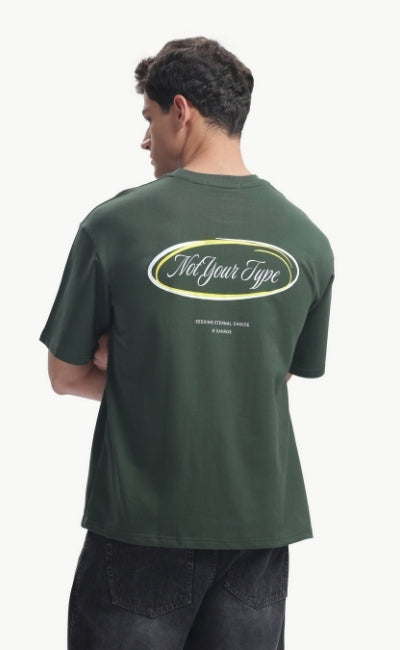
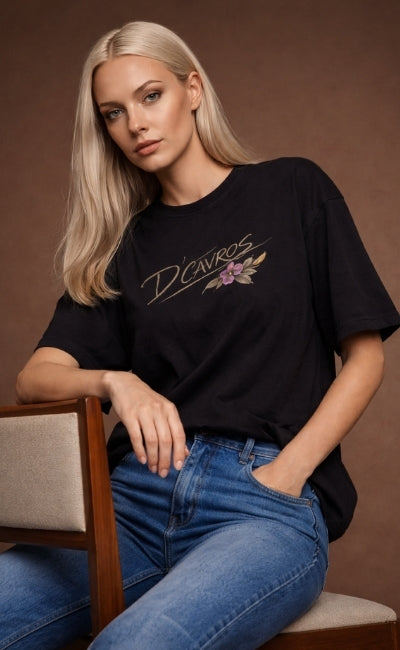


The Complete Guide to T-Shirt Fits: Regular, Slim, Relaxed and Oversized
Introduction
A T-shirt may look simple, but the way it fits can completely change your appearance.
Two people can wear the same colour and fabric of T-shirt and still create very different looks because of the garment's cut, proportions, shoulder placement, sleeve length, and body width.
Some T-shirts follow the natural shape of the body. Others provide a balanced everyday silhouette, while relaxed and oversized styles create more room and a different visual presence.
This is why understanding the different types of T-shirt fits is important before buying a new T-shirt.
Choosing the right fit is not just about selecting a size such as S, M, L, or XL. It is about understanding how the garment is designed to sit on your shoulders, chest, waist, and sleeves.
A correctly selected T-shirt fit can help you feel more comfortable, create better proportions, and build a wardrobe that reflects your personal style.
In this complete guide, we will explain the four major T-shirt fits, their differences, how they look on the body, and how to choose the right one.
Quick Answer: What Are the Different Types of T-Shirt Fits?
The four common T-shirt fits are:
-
Slim Fit: A closer-fitting silhouette that follows the body's shape.
-
Regular Fit: A balanced silhouette with moderate room through the chest and body.
-
Relaxed Fit: A looser silhouette with additional room and a more casual appearance.
-
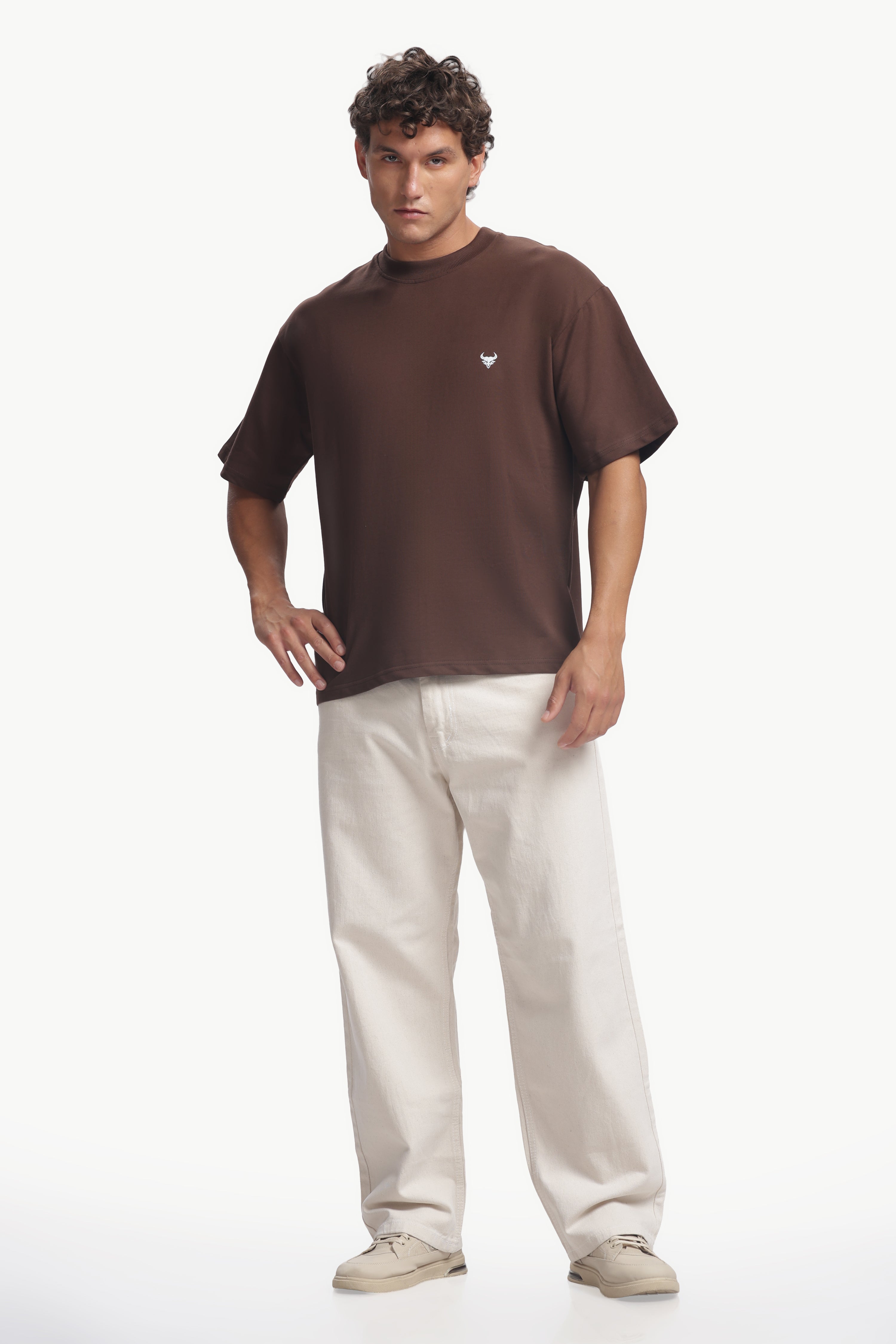
Oversized Fit: A deliberately larger silhouette with wider proportions, dropped shoulders, and often longer or broader sleeves.
The best fit depends on your body proportions, comfort preferences, styling goals, and the garment's measurements.
Remember: An oversized T-shirt is not simply a regular T-shirt purchased in a larger size. It is generally designed with different proportions.
The Problem: Why Is Choosing the Right T-Shirt Fit So Difficult?
Imagine shopping online and finding four black T-shirts.
They all look similar in colour and fabric, but their fit descriptions are different:
-
Slim Fit
-
Regular Fit
-
Relaxed Fit
-
Oversized Fit
You might wonder:
-
Which one will suit my body shape?
-
Which fit will look better?
-
Should I purchase my usual size?
-
Is oversized the same as relaxed?
-
Will sizing up create an oversized appearance?
-
How do I know whether the sleeves and shoulders will fit correctly?
These questions are common because many shoppers focus only on the size printed on the label.
However, size and fit are two different things.
Size refers to the garment's measurements, while fit describes how the garment is designed to sit on the body.
A medium oversized T-shirt can have a much wider body and longer sleeves than a medium regular-fit T-shirt.
Understanding this difference makes online shopping easier and helps reduce sizing mistakes.
The Solution: Understand Fit Before Choosing Your Size
Before purchasing a T-shirt, learn to identify its intended silhouette.
You should understand:
-
Shoulder width and shoulder seam placement
-
Chest and body width
-
T-shirt length
-
Sleeve length and sleeve opening
-
Overall garment proportions
-
The relationship between fabric and silhouette
Throughout this guide, we will explain each fit individually, compare their differences, and show you how to choose the right one.
1. What Does T-Shirt Fit Mean?
T-shirt fit describes how a garment sits on the body and how much room it provides around different areas.
It is determined by the pattern and measurements used to manufacture the garment.
The main areas that influence T-shirt fit include:
1. Shoulder Fit
Shoulder fit describes where the shoulder seam sits in relation to your natural shoulder.
-
A slim or regular fit usually has a shoulder seam closer to the natural shoulder.
-
A relaxed fit may provide slightly more room.
-
An oversized fit often uses a dropped shoulder seam that extends beyond the natural shoulder.
2. Chest Fit
Chest fit determines how much room is available around the upper body.
A slim-fit T-shirt generally has less room through the chest, while relaxed and oversized styles provide more space.
3. Body Width
Body width affects how closely the T-shirt follows your waist and torso.
A regular-fit garment generally offers a balanced shape, whereas a relaxed or oversized T-shirt has additional width.
4. T-Shirt Length
Length determines where the bottom hem falls on your body.
A T-shirt can be wide but relatively short, or narrow but long. Width and length are separate measurements.
5. Sleeve Fit
Sleeve length and opening influence the overall appearance.
Slim-fit sleeves may sit closer to the upper arm, while oversized sleeves are often broader and may extend further down the arm.
Why Do These Measurements Matter?
A T-shirt's appearance depends on the relationship between all these dimensions.
For example, a garment with a wide chest but narrow shoulders may look different from one with both wider shoulders and a broader body.
This is why you should evaluate the complete silhouette rather than judging a T-shirt by its width alone.
2. Slim Fit T-Shirt: A Closer, Body-Defined Silhouette
A slim-fit T-shirt is designed to sit closer to the body than a regular-fit garment.
It generally follows the natural shape of the chest, waist, and upper body without necessarily being skin-tight.
Slim-fit T-shirts are often selected by people who prefer a neat, defined silhouette.
Key Characteristics of Slim Fit
-
Closer-fitting chest and waist
-
More defined body silhouette
-
Shoulders that generally follow the natural shoulder line
-
Sleeves that may sit closer to the upper arm
-
Less excess fabric around the torso
How Does a Slim-Fit T-Shirt Look?
A slim-fit T-shirt creates a relatively streamlined appearance.
Because there is less extra fabric around the body, the garment can highlight the wearer's natural proportions.
The exact appearance depends on the pattern, material, stretch, and individual body measurements.
Who Should Consider Slim Fit?
Slim fit may be suitable for people who:
-
Prefer a closer-fitting silhouette
-
Want less excess fabric around the torso
-
Like a neat, defined appearance
-
Prefer fitted casual outfits
However, slim fit should not be confused with compression clothing. A well-designed slim-fit T-shirt should still allow comfortable movement.
Styling a Slim-Fit T-Shirt
You can pair a slim-fit T-shirt with:
-
Straight-fit jeans
-
Slim trousers
-
Tailored casual pants
-
Minimal sneakers
-
Lightweight jackets
For a balanced appearance, consider how the proportions of your trousers and footwear work with the closer-fitting top.
Common Slim-Fit Mistake
Choosing a T-shirt that is too small and assuming it will create a slim fit.
A garment that is excessively tight may pull across the chest, create uncomfortable tension, and restrict movement.
The correct slim fit should follow the body without feeling restrictive.
3. Regular Fit T-Shirt: The Classic Everyday Silhouette
Regular fit is one of the most familiar and versatile T-shirt styles.
It provides a balanced amount of room through the chest, shoulders, and body without being excessively tight or loose.
A regular-fit T-shirt is designed for everyday comfort and can work with many different wardrobe combinations.
Key Characteristics of Regular Fit
-
Balanced chest and body width
-
Shoulder seams generally close to the natural shoulder
-
Moderate sleeve width
-
Conventional T-shirt length
-
Comfortable room for everyday movement
How Does a Regular-Fit T-Shirt Look?
A regular-fit T-shirt usually follows the general shape of the body without closely outlining it.
It offers a classic appearance that works across many casual settings.
Unlike slim fit, it does not aim to create a particularly close silhouette. Unlike oversized fit, it does not deliberately create a substantially larger appearance.
Who Should Consider Regular Fit?
Regular fit may be suitable for people who:
-
Want a versatile everyday T-shirt
-
Prefer balanced proportions
-
Do not want a close-fitting silhouette
-
Do not want excessive extra fabric
-
Need an easy-to-style wardrobe essential
Styling a Regular-Fit T-Shirt
Regular-fit T-shirts work well with:
-
Straight-fit jeans
-
Chinos
-
Regular-fit trousers
-
Shorts
-
Casual jackets
-
Everyday sneakers
They can be worn independently or layered under jackets and overshirts.
Common Regular-Fit Mistake
Assuming regular fit means the same measurements across every brand.
There is no universal measurement standard that makes every brand's regular fit identical.
Always check the brand's size chart and garment measurements before ordering.
4. Relaxed Fit T-Shirt: Comfort With Extra Room
A relaxed-fit T-shirt offers more room than a traditional regular-fit garment without necessarily creating the exaggerated proportions associated with oversized clothing.
It is designed to provide a comfortable, less restrictive silhouette while maintaining a relatively balanced appearance.
Relaxed fit sits between regular and oversized in many clothing collections, although the exact measurements vary between brands.
Key Characteristics of Relaxed Fit
-
Additional room through the chest and body
-
A comfortable, less restrictive silhouette
-
Sleeves that may be slightly wider than regular fit
-
A natural or slightly dropped shoulder
-
More freedom of movement
-
A casual appearance without excessive volume
How Does a Relaxed-Fit T-Shirt Look?
A relaxed-fit T-shirt generally hangs more freely around the torso.
It does not closely follow the body's shape, but it also does not necessarily look dramatically larger than the wearer's usual T-shirt.
The overall appearance depends on the shoulder placement, body width, sleeve dimensions, and length.
Who Should Consider Relaxed Fit?
Relaxed fit may suit people who:
-
Prefer additional room around the torso
-
Find regular-fit garments too restrictive
-
Want a casual silhouette without excessive width
-
Prefer comfortable everyday clothing
-
Want a middle ground between regular and oversized
Styling a Relaxed-Fit T-Shirt
Relaxed-fit T-shirts can be paired with:
-
Straight-fit denim
-
Relaxed trousers
-
Cargo pants
-
Casual shorts
-
Lightweight jackets
-
Everyday sneakers
For a balanced outfit, consider combining a relaxed top with trousers that have a complementary silhouette.
Common Relaxed-Fit Mistake
Assuming relaxed fit is simply a regular T-shirt purchased one size larger.
A properly designed relaxed-fit garment has its own pattern and proportions. It may have additional chest width, wider sleeves, or different shoulder measurements without becoming excessively long.
5. Oversized Fit T-Shirt: A Deliberately Larger Silhouette
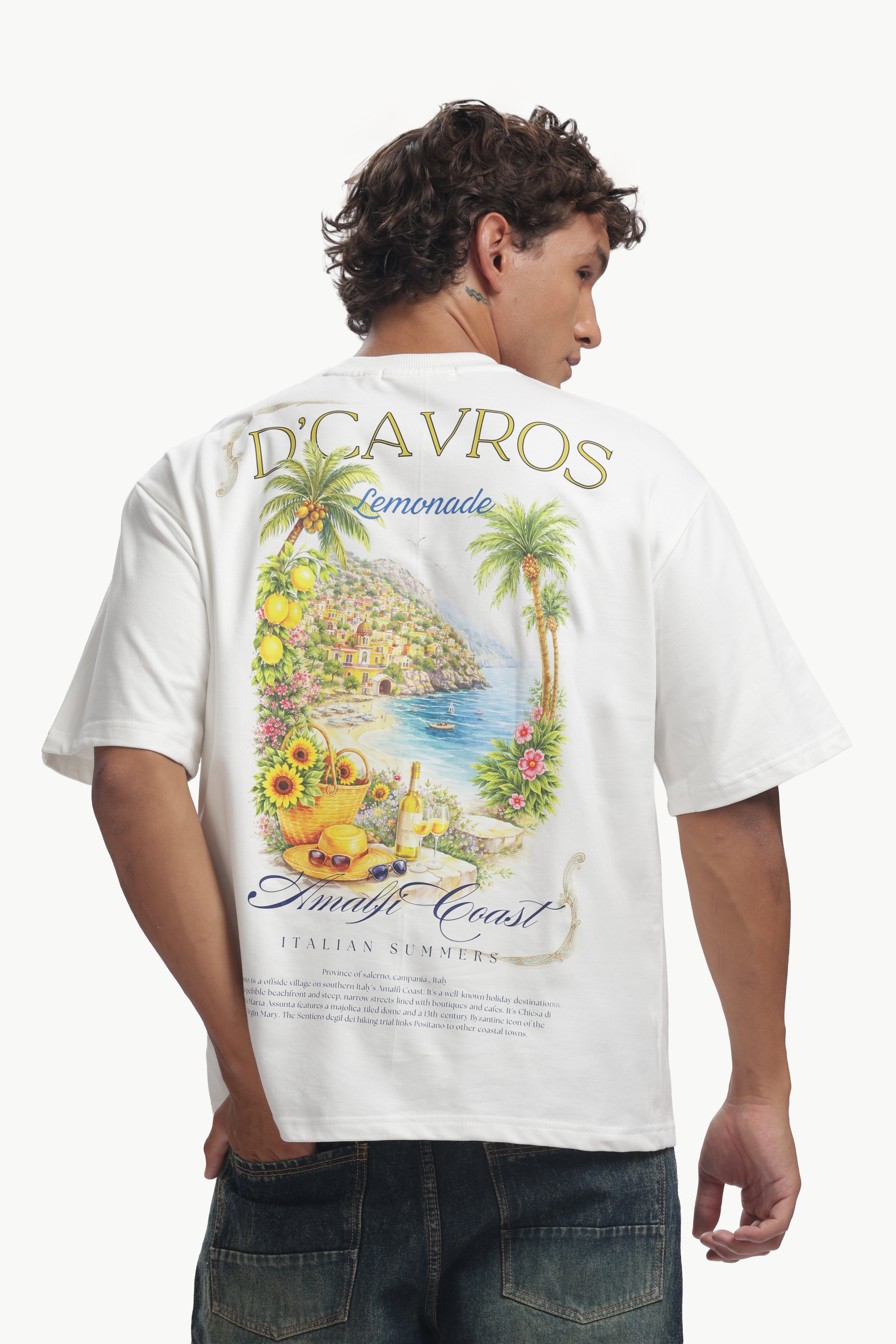
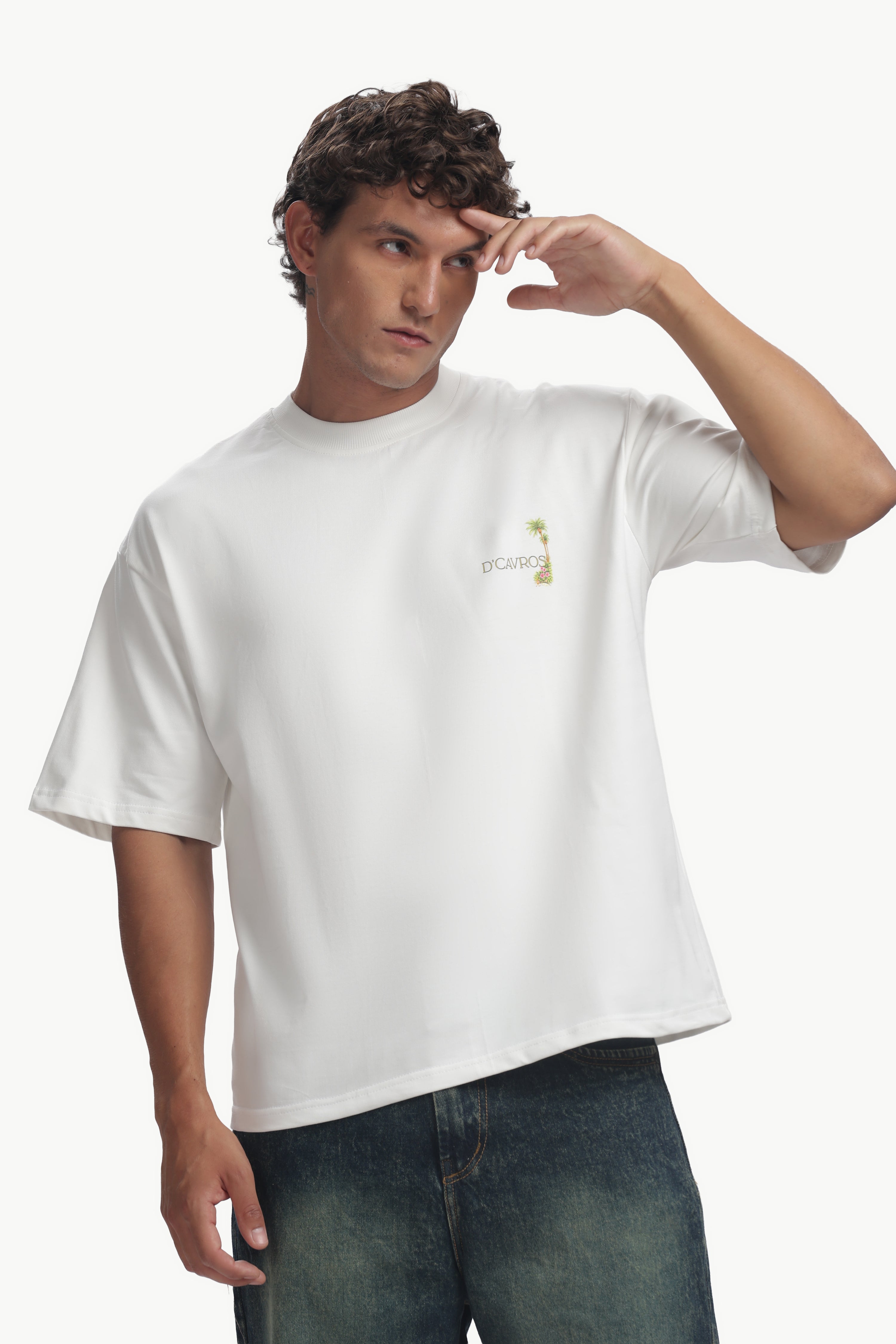
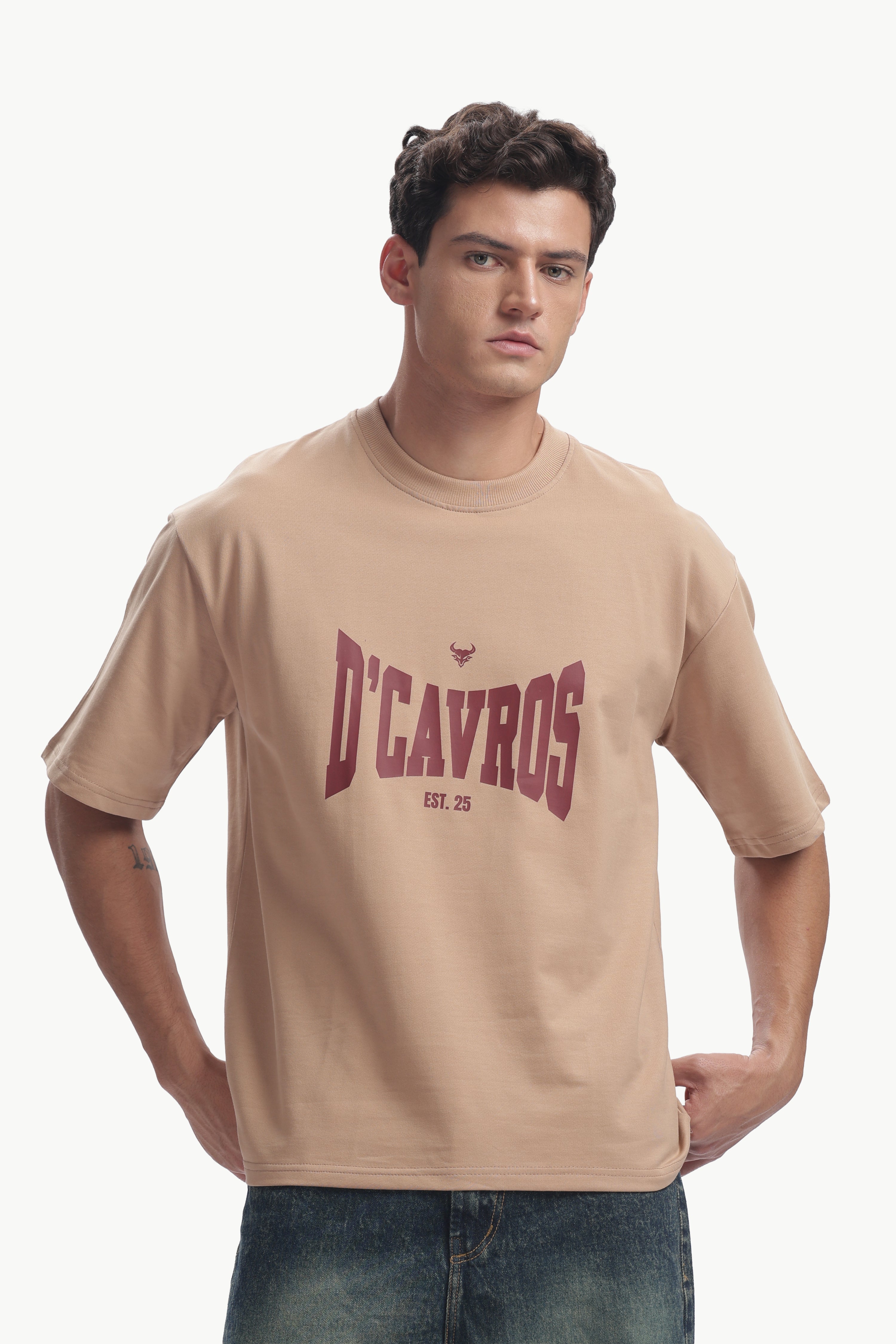
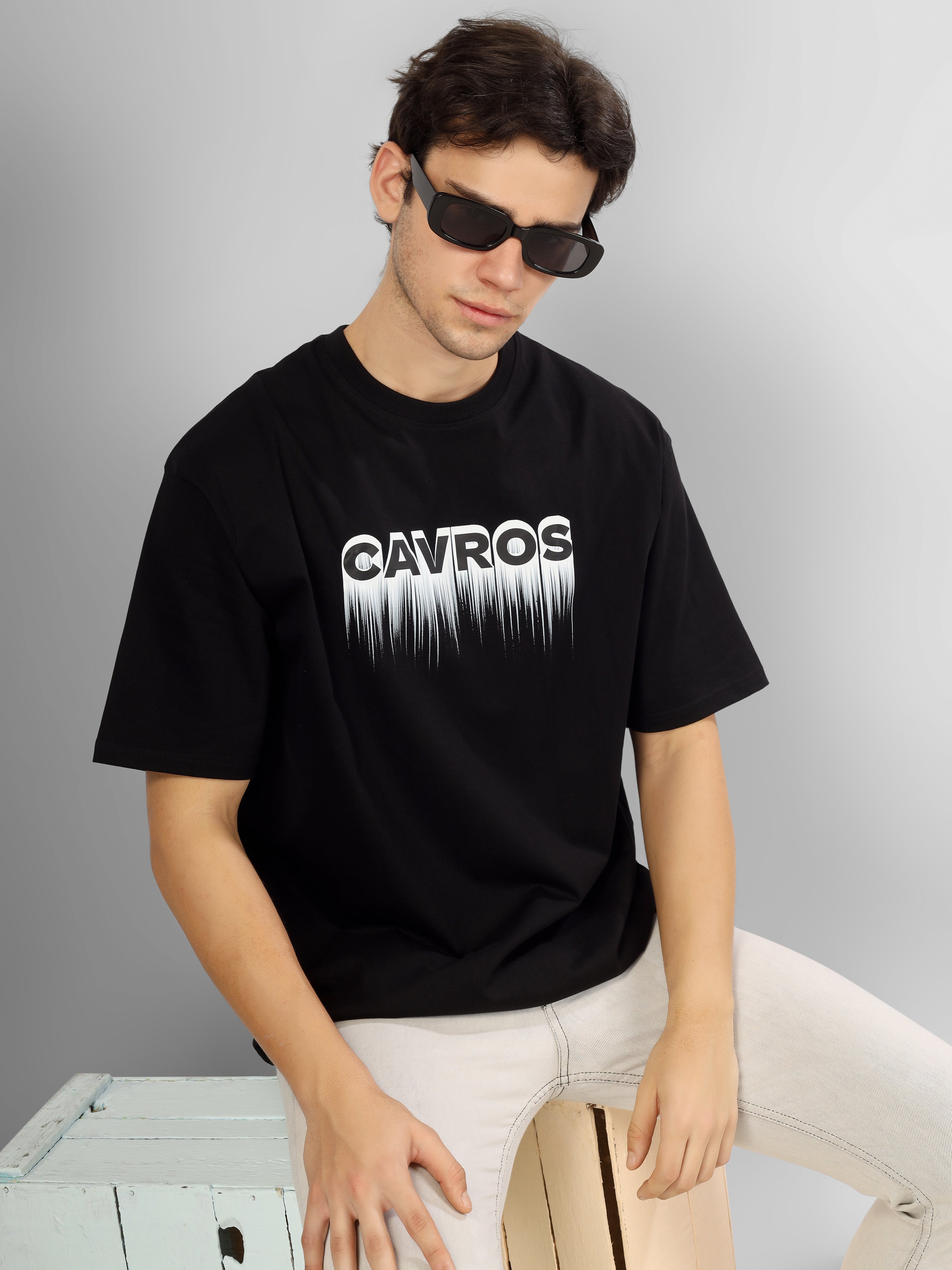
Oversized fit is designed to create a visibly roomier silhouette than conventional T-shirt fits.
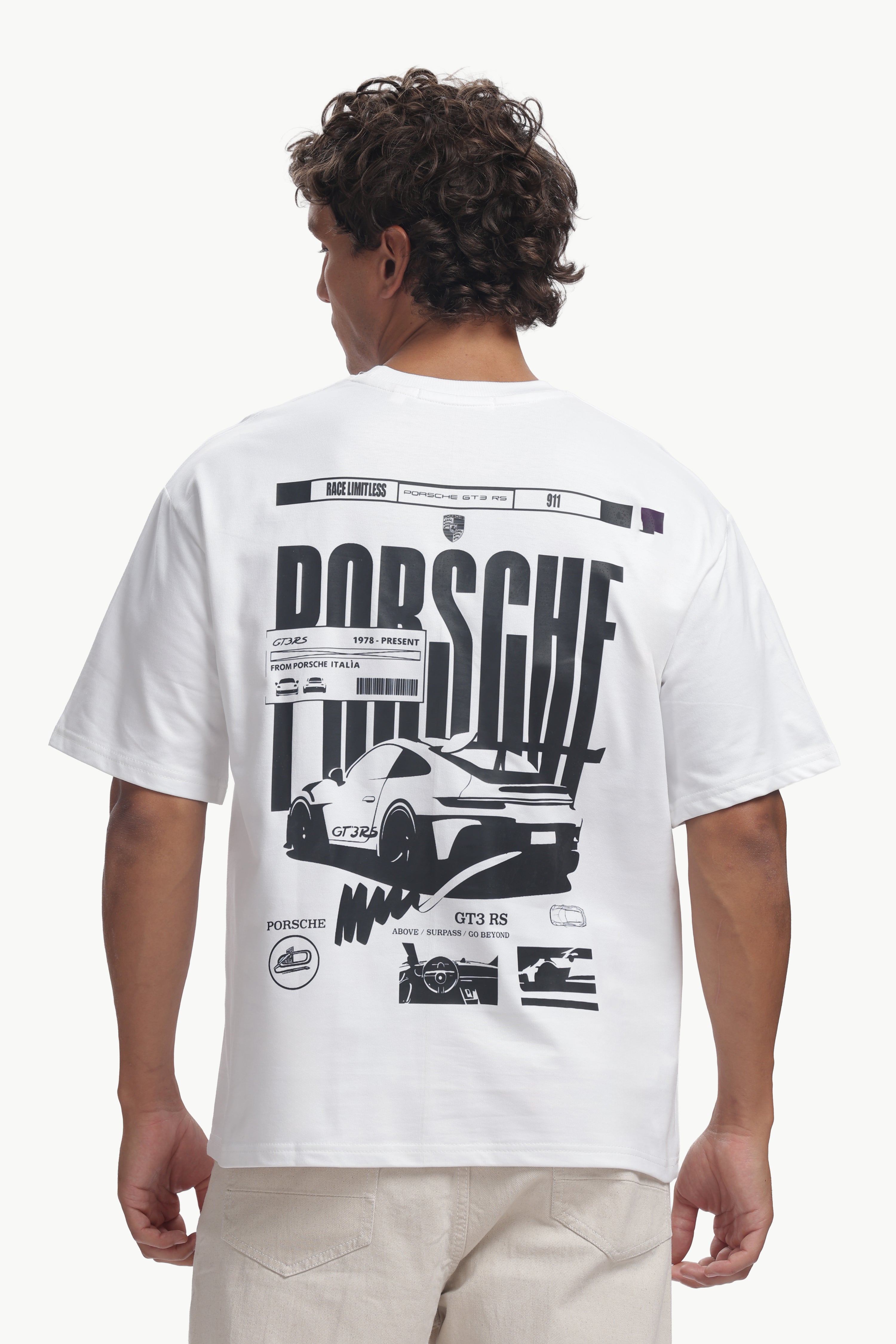
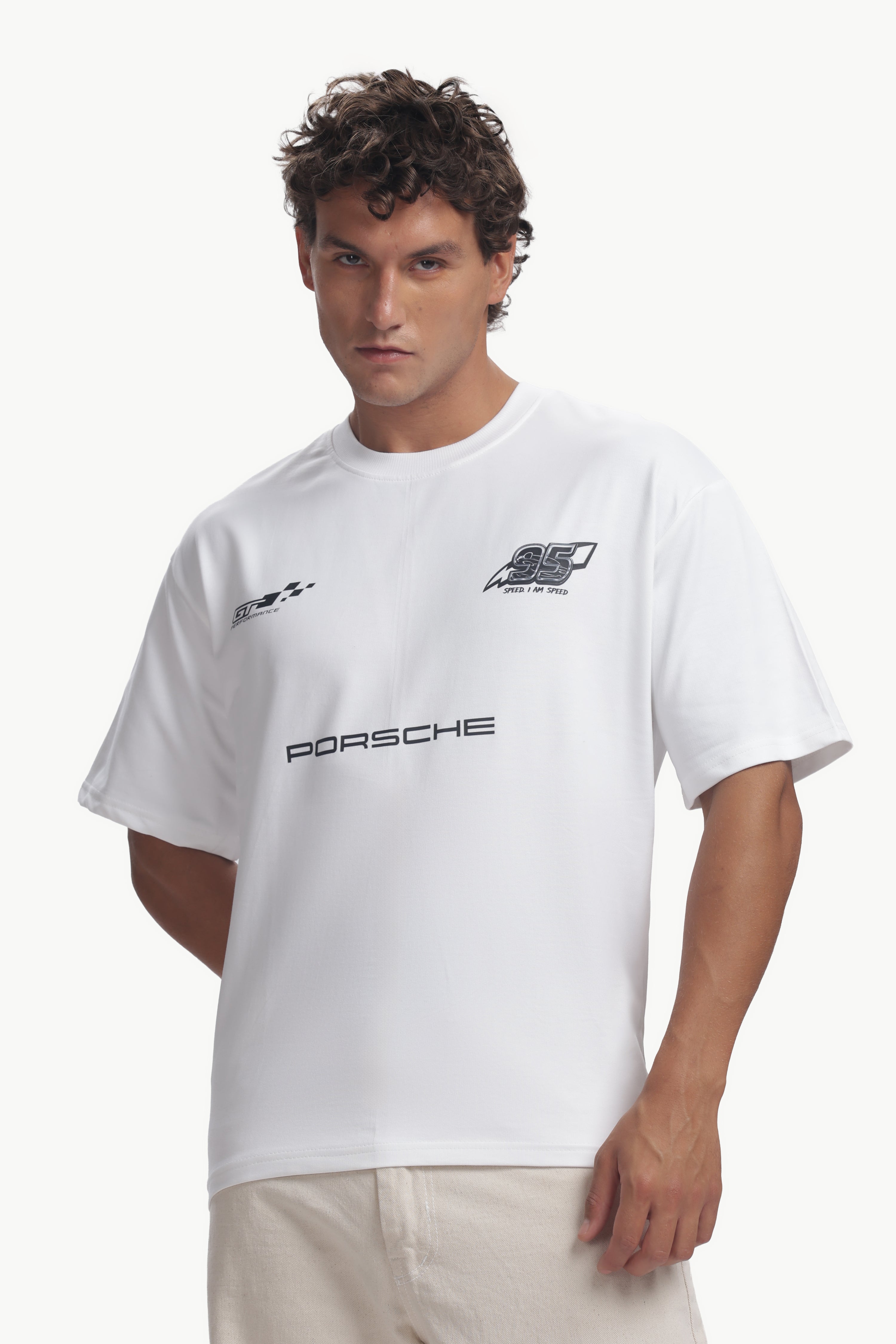
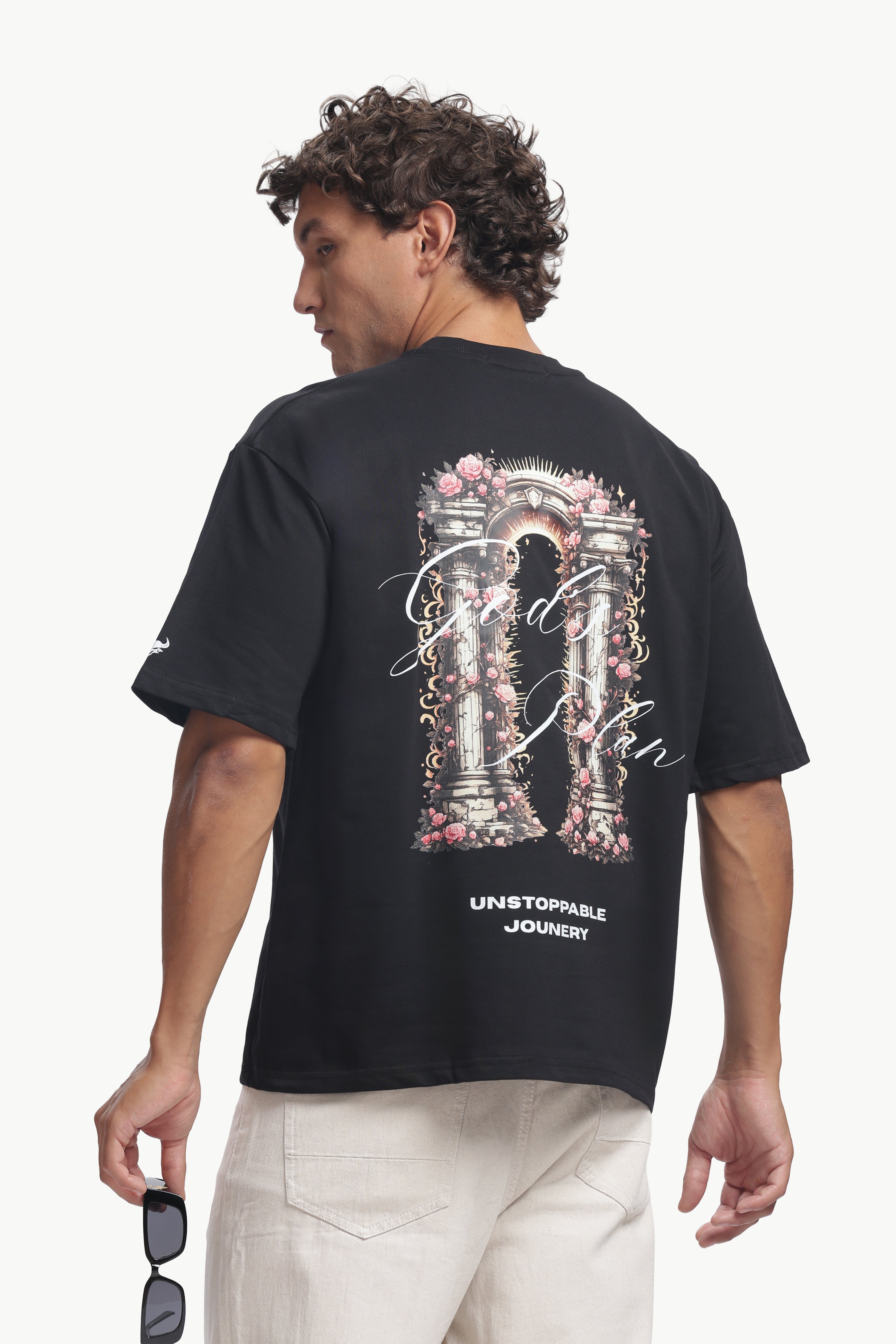
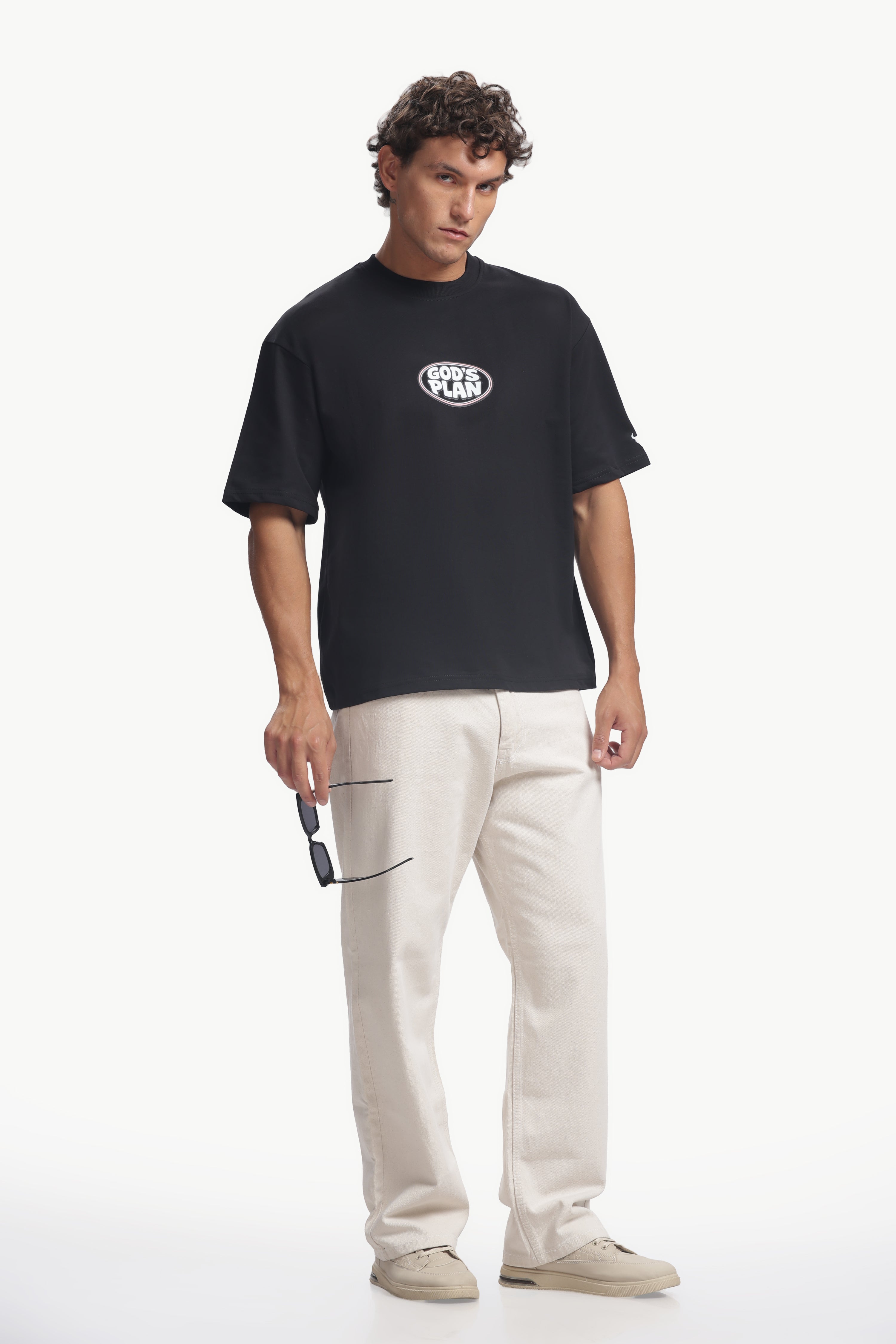
It is not simply an incorrectly sized garment. It is a deliberate design choice involving wider proportions, additional volume, and often dropped shoulders.
Oversized T-shirts have become a popular choice for people who prefer relaxed, contemporary, and statement-making outfits.
Key Characteristics of Oversized Fit
-
Wider chest and body measurements
-
Dropped shoulder seams in many designs
-
Broader sleeves
-
More room through the torso
-
Often longer or more generous sleeve proportions
-
A deliberately relaxed silhouette
Not every oversized T-shirt has the same proportions. Some designs are wide and cropped, while others are both wide and long.
What Makes a T-Shirt Truly Oversized?
An oversized T-shirt is designed around a different silhouette.
Its dimensions may include:
Shoulder width: The shoulder seam may extend beyond the natural shoulder.
Chest width: Additional width creates more room through the upper body.
Sleeves: Wider sleeves and a lower sleeve opening can contribute to the oversized appearance.
Body length: Some oversized garments have additional length, although this is not a requirement.
Overall proportions: The relationship between width, length, shoulder placement, and sleeve size creates the final silhouette.
Who Should Consider Oversized Fit?
Oversized fit may suit people who:
-
Prefer a roomier silhouette
-
Like dropped shoulders and wider sleeves
-
Want more space around the chest and torso
-
Prefer a relaxed contemporary appearance
-
Enjoy experimenting with proportions
Styling an Oversized T-Shirt
Oversized T-shirts can be paired with:
-
Straight-fit jeans
-
Relaxed-fit denim
-
Wide-leg trousers
-
Cargo pants
-
Shorts
-
Minimal sneakers
-
Layered outerwear
For a balanced outfit, consider the volume of the bottom garment. A wider top can work with either similarly relaxed trousers or a more structured bottom, depending on the look you want.
Common Oversized-Fit Mistake
Buying a regular-fit T-shirt several sizes larger and assuming it will have the same appearance as a purpose-designed oversized garment.
Sizing up increases the garment's dimensions according to the brand's grading pattern. It does not necessarily create the intended dropped shoulders, sleeve proportions, or balanced oversized silhouette.
An intentionally oversized T-shirt is generally designed with those proportions in mind.
What Should You Check Before Buying?
-
Shoulder seam placement
-
Chest measurement
-
Body length
-
Sleeve length
-
Sleeve opening
-
Overall garment silhouette
Do not judge an oversized T-shirt by its size label alone.
6. Relaxed Fit vs Oversized Fit: What's the Difference?
Relaxed and oversized T-shirts are sometimes used interchangeably in product descriptions, but they do not necessarily describe the same silhouette.
Both offer more room than many conventional regular-fit garments. The difference is usually in the degree of volume and the proportions of the design.
Relaxed Fit
A relaxed-fit T-shirt offers additional room while maintaining a relatively balanced shape.
It generally looks casually loose without appearing dramatically larger.
Oversized Fit
An oversized T-shirt is deliberately designed with more generous proportions.
It may feature wider shoulders, a broader chest, larger sleeves, and a more pronounced silhouette.
Quick Comparison
| Feature | Relaxed Fit | Oversized Fit |
|---|---|---|
| Body width | Moderately roomy | Generally wider |
| Shoulder placement | Natural or slightly dropped | Often noticeably dropped |
| Sleeve width | Comfortable and slightly wider | Often broader |
| Overall appearance | Casual and balanced | Deliberately voluminous |
| Body length | Depends on design | May be longer, regular, or cropped |
| Intended silhouette | Comfortably loose | Clearly oversized |
These are general tendencies. Brands can define and construct relaxed and oversized fits differently.
Which One Should You Choose?
Choose relaxed fit if you want:
-
Additional comfort without excessive volume
-
A casual everyday silhouette
-
A look that remains relatively balanced
Choose oversized fit if you want:
-
A more pronounced loose silhouette
-
Wider shoulders and sleeves
-
Additional room through the torso
-
A deliberately oversized appearance
The best choice depends on your preferences and the actual garment measurements.
7. Regular Fit vs Oversized Fit
One of the most common questions when buying T-shirts is whether to choose regular or oversized fit.
The difference is not simply about size. It is about how the garment is designed.
Regular Fit
Regular fit generally provides balanced room through the chest and body.
The shoulder seams usually sit close to the natural shoulder line, and the sleeves have conventional proportions.
Oversized Fit
Oversized fit generally provides more volume through the chest, shoulders, and sleeves.
The shoulder seam may sit lower, and the body may have a wider silhouette.
Comparison Table
| Feature | Regular Fit | Oversized Fit |
|---|---|---|
| Shoulder | Usually near natural shoulder | Often dropped |
| Chest | Balanced room | More generous room |
| Body width | Conventional | Wider |
| Sleeves | Conventional proportions | Often broader |
| Overall silhouette | Classic | Voluminous |
| Styling | Versatile everyday wear | Relaxed, statement styling |
Can You Turn a Regular T-Shirt Into an Oversized T-Shirt?
You can create a looser appearance by purchasing a larger size, but it may not look like a purpose-designed oversized garment.
For example, sizing up a regular T-shirt may increase the length as well as the width. The shoulder and sleeve proportions may also change in ways that do not produce the silhouette you want.
If you prefer an oversized appearance, purchasing a garment specifically designed for oversized fit is usually the more predictable option.
8. How Shoulder Placement Changes the Appearance of a T-Shirt
Shoulder placement is one of the most important factors in understanding T-shirt fit.
It affects how the garment sits across the upper body and contributes significantly to its overall silhouette.
Natural Shoulder Placement
In many slim and regular-fit T-shirts, the shoulder seam is designed to sit close to the natural shoulder.
This creates a more conventional appearance.
Slightly Dropped Shoulder
A relaxed-fit T-shirt may use a slightly extended shoulder seam.
This creates a softer, less structured appearance while retaining a relatively balanced silhouette.
Dropped Shoulder
Oversized T-shirts often use a more noticeable dropped shoulder.
The seam extends beyond the natural shoulder line, making the upper body appear broader.
Why Does Shoulder Placement Matter?
Two T-shirts may have similar chest measurements but look very different because of their shoulder construction.
Shoulder placement also affects how the sleeves fall and how the garment's upper body appears.
When shopping online, look for front and side photographs that clearly show where the shoulder seam sits.
9. How Sleeve Length and Width Affect T-Shirt Fit
Sleeves are another important part of a T-shirt's silhouette.
A garment's fit can look noticeably different depending on its sleeve width, length, and opening.
Slim-Fit Sleeves
Slim-fit T-shirts often have narrower sleeves that sit closer to the upper arm.
Regular-Fit Sleeves
Regular-fit sleeves generally provide balanced room without appearing excessively narrow or wide.
Relaxed-Fit Sleeves
Relaxed-fit sleeves may be slightly wider, providing a more comfortable and casual appearance.
Oversized-Fit Sleeves
Oversized T-shirts often have wider sleeves, and they may extend further down the upper arm.
Some designs use a sleeve opening that creates additional volume.
What Should You Consider?
Check:
-
Sleeve length
-
Sleeve opening
-
Sleeve width
-
Shoulder seam placement
-
How the sleeve sits on the upper arm
A wide body combined with narrow sleeves can create a different silhouette from a garment with both wider body and sleeves.
This is why the complete design matters.
10. How Fabric Weight and Drape Affect T-Shirt Fit
A T-shirt's fit is influenced not only by its pattern but also by the fabric used to make it.
Two garments with similar measurements may look different because their fabrics behave differently.
Fabric Weight
GSM stands for grams per square metre. It measures the mass of a fabric over a defined area.
Fabric weight can influence how substantial a garment feels and how it hangs, although GSM alone does not determine drape or structure.
A heavier fabric may create a more substantial appearance in some designs, while a lighter fabric may fall more fluidly.
These are general tendencies, not universal rules.
Fabric Drape
Drape describes how fabric hangs and forms folds under its own weight.
A softer fabric may follow the body more closely, while a more structured fabric may hold a defined silhouette.
The result depends on fibre composition, yarn, construction, finishing, and fabric weight.
Why Does This Matter for Oversized T-Shirts?
Oversized T-shirts rely on proportions to create their intended appearance.
The fabric must work with the pattern so that the garment hangs as designed.
A very soft fabric may produce a more flowing appearance, while a more structured textile may help maintain a defined outline.
Neither is automatically better. The appropriate choice depends on the design.
Practical Buying Tip
When shopping online, check both the fit description and material information.
Do not assume that every oversized T-shirt will have the same structure simply because the product is labelled oversized.
For a deeper understanding, read:
-
Blog #002 — What Is GSM in Fabric?
-
Blog #003 — 260 GSM vs 180 GSM T-Shirts
-
Blog #014 — How T-Shirt Fabric Construction Affects Quality: The Complete Guide
11. How to Choose Between Slim, Regular, Relaxed and Oversized Fits
Choosing the right fit starts with understanding what you want from the garment.
Use the following guide as a starting point.
Choose Slim Fit If:
-
You prefer a closer-fitting T-shirt.
-
You want a more defined silhouette.
-
You dislike excess fabric around the torso.
-
You prefer a neat, streamlined appearance.
Choose Regular Fit If:
-
You want a classic everyday T-shirt.
-
You prefer balanced proportions.
-
You want moderate room around the chest and body.
-
You need a versatile garment for different occasions.
Choose Relaxed Fit If:
-
You prefer extra room without excessive volume.
-
You want a casual, comfortable silhouette.
-
You find regular fit too restrictive.
-
You want something between regular and oversized.
Choose Oversized Fit If:
-
You prefer wider proportions.
-
You like dropped shoulders and broader sleeves.
-
You want a deliberately loose silhouette.
-
You prefer more room through the body.
Remember: Your Preference Matters
There is no single T-shirt fit that everyone should wear.
The best fit is the one that offers the comfort, proportions, and appearance you prefer.
A person who enjoys a classic silhouette may prefer regular fit, while someone who enjoys a roomier appearance may choose relaxed or oversized.
The goal is not to follow a universal rule. It is to understand the differences and make an informed choice.
12. How to Choose the Correct T-Shirt Size
Understanding the different types of T-shirt fits is only half the process. The next step is choosing the correct size.
A T-shirt can have the right fit category but still look or feel wrong if its measurements do not suit your body.
For example, a medium oversized T-shirt from one brand may have different dimensions from a medium oversized T-shirt from another brand.
This is why you should never rely entirely on the size label.
Understand the Difference Between Body Measurements and Garment Measurements
Body measurements describe the dimensions of your body.
Examples include:
-
Chest circumference
-
Shoulder width
-
Waist circumference
-
Body length
Garment measurements describe the actual dimensions of the finished T-shirt.
Examples include:
-
Chest width
-
Shoulder width
-
Body length
-
Sleeve length
-
Sleeve opening
These measurements are not interchangeable.
A garment's chest width is generally measured flat across the garment, while chest circumference measures around the body.
Why Does This Difference Matter?
Suppose a product page lists a T-shirt chest measurement of 56 cm.
This normally refers to the garment measured flat from one side to the other at the specified chest measurement points.
It does not mean the wearer's chest circumference should be 56 cm.
Always check whether a size chart shows body measurements or garment measurements before using it.
13. How to Measure Yourself for a T-Shirt
You do not need complicated equipment to take basic body measurements. A flexible measuring tape and a mirror can help.
1. Chest Measurement
Wrap the measuring tape around the fullest part of your chest.
Keep the tape level and comfortably positioned without pulling it too tightly.
This measurement helps you compare your body dimensions with the brand's sizing guidance.
2. Shoulder Measurement
Measure across your back from one shoulder point to the other.
The shoulder points are approximately where the shoulder meets the upper arm.
This can help you understand whether a garment's shoulder width is likely to suit your proportions.
3. Waist Measurement
Measure around your natural waist or the area relevant to the garment's intended fit.
This can be useful when comparing fitted garments, although many T-shirt size charts focus primarily on chest and garment measurements.
4. Sleeve Measurement
For a garment measurement, measure from the shoulder seam to the sleeve opening along the sleeve.
If the T-shirt has dropped shoulders, remember that sleeve length may be measured from a seam positioned lower than your natural shoulder.
5. Body Length
Measure from the highest shoulder point near the neckline down to the bottom hem.
For a garment measurement, follow the measuring method specified by the brand.
Important Measuring Tips
-
Stand naturally while taking measurements.
-
Keep the measuring tape level.
-
Avoid pulling the tape excessively tight.
-
Take each measurement more than once if necessary.
-
Follow the brand's specific size-chart instructions.
14. How to Measure a T-Shirt You Already Own
One of the easiest ways to choose a new T-shirt is to compare it with a garment you already like.
This is particularly useful when shopping online.
Step 1: Select a T-Shirt With Your Preferred Fit
Choose a garment that fits you the way you want your new T-shirt to fit.
Do not select a T-shirt that is stretched, heavily worn, or distorted.
Step 2: Place It on a Flat Surface
Lay the T-shirt on a clean, flat surface.
Smooth out wrinkles without stretching the fabric.
Step 3: Measure the Chest Width
Measure horizontally from one side of the garment to the other, generally below the armholes at the brand's specified chest measurement point.
Step 4: Measure the Shoulder Width
Measure from one shoulder seam to the other.
Step 5: Measure the Length
Measure from the highest shoulder point near the neckline to the bottom hem.
Step 6: Measure the Sleeves
Measure from the shoulder seam to the sleeve opening.
For dropped-shoulder garments, make sure you compare measurements using the same method.
Step 7: Compare With the Product Size Chart
Compare your existing T-shirt's measurements with the garment measurements provided by the brand.
This method can be more useful than choosing a size based only on your usual S, M, L, or XL label.
Practical tip: Compare garments with the same intended fit. A regular-fit T-shirt is not the ideal reference when purchasing an oversized T-shirt.
15. How to Read a T-Shirt Size Chart
A size chart helps customers understand the dimensions associated with each available size.
However, not every brand uses the same measurements or grading system.
A typical garment size chart may include:
| Measurement | What it tells you |
|---|---|
| Chest | Width across the chest when measured flat |
| Shoulder | Distance between shoulder seams |
| Length | Distance from the specified top point to the bottom hem |
| Sleeve length | Length of the sleeve from the specified starting point |
| Sleeve opening | Width of the sleeve opening |
Example of a Garment Measurement Chart
The following is an illustrative example only. These are not official D’CAVROS measurements.
| Size | Chest Width | Shoulder | Length |
|---|---|---|---|
| S | 52 cm | 46 cm | 68 cm |
| M | 54 cm | 48 cm | 70 cm |
| L | 56 cm | 50 cm | 72 cm |
| XL | 58 cm | 52 cm | 74 cm |
| XXL | 60 cm | 54 cm | 76 cm |
Actual dimensions vary by brand, product, fit category, and manufacturing tolerance.
What If You Are Between Two Sizes?
If your measurements fall between two sizes, consider:
-
Your preferred fit
-
The garment's actual measurements
-
The amount of stretch in the fabric
-
The brand's sizing recommendations
For a closer fit, you may prefer the smaller option if the garment measurements allow comfortable movement.
For a roomier appearance, the larger option may suit your preference.
However, do not automatically size up or down without checking the garment dimensions.
16. How to Choose the Right Size for an Oversized T-Shirt
Oversized T-shirts require a slightly different approach to sizing because the garment is already designed with additional room.
The objective is to achieve the intended oversized silhouette, not simply to purchase the largest available size.
Should You Size Up in an Oversized T-Shirt?
Usually, you should begin by checking the size chart for your usual size in that particular oversized design.
If the brand describes its garment as oversized and recommends staying true to size, follow that guidance as your starting point.
Sizing up further may create more volume and length than intended.
What Happens If You Size Down?
Sizing down may reduce the oversized appearance.
Depending on the pattern, the shoulder may sit closer to your natural shoulder, and the chest and sleeve measurements may become less generous.
This can be useful if you prefer a more controlled silhouette, but the result depends on the garment's actual measurements.
What Should You Check?
Before buying an oversized T-shirt, compare:
-
Chest width
-
Shoulder width
-
Body length
-
Sleeve length
-
Sleeve opening
Pay particular attention to shoulder and sleeve proportions.
A T-shirt with a wide chest but conventional shoulders may look different from one with both a wider body and dropped shoulders.
A Simple Oversized Sizing Rule
Choose according to the intended fit and garment measurements, not simply the size printed on the label.
If a product page recommends staying true to size for the intended oversized fit, use that as your starting point.
17. Common T-Shirt Sizing Mistakes
Even when customers understand different T-shirt fits, certain mistakes can lead to disappointing purchases.
Mistake 1: Choosing a Size Based Only on Another Brand
A medium T-shirt from one brand may not have the same dimensions as a medium T-shirt from another.
Always check the actual product's size chart.
Mistake 2: Confusing Oversized With Buying a Bigger Size
Oversized is a designed silhouette. Sizing up in a regular-fit garment does not necessarily recreate the same proportions.
Mistake 3: Ignoring Shoulder Measurements
Shoulder placement strongly influences how a T-shirt looks.
A garment can have sufficient chest width but still look different because its shoulders and sleeves are not proportioned as expected.
Mistake 4: Checking Chest Width but Ignoring Length
A T-shirt may fit comfortably around the chest but appear too long or too short.
Check both width and length.
Mistake 5: Assuming Every Relaxed Fit Is Oversized
Relaxed and oversized are different fit descriptions in many collections.
Read the product description and examine garment measurements.
Mistake 6: Ignoring Fabric Characteristics
Fabric weight, stretch, and drape can affect how the garment sits on the body.
Do not judge fit using measurements alone when the product's material information is available.
Mistake 7: Choosing a Size Based Only on Height and Weight
Height and weight can provide general context, but they cannot accurately determine every body proportion.
Chest, shoulder, and garment measurements provide more useful information.
18. How to Make Better T-Shirt Fit Decisions When Shopping Online
Online shopping removes the opportunity to try on a garment before purchasing it.
That makes product information especially important.
Before placing an order, follow this checklist:
-
Identify the intended fit: slim, regular, relaxed, or oversized.
-
Read the product description carefully.
-
Check whether the size chart shows body or garment measurements.
-
Compare the chest and shoulder dimensions.
-
Check the T-shirt length and sleeve measurements.
-
Review the fabric composition and GSM where available.
-
Examine front, side, and back product photographs.
-
Read the brand's size recommendations.
-
Review the exchange and return policy.
What Should a Good Clothing Product Page Include?
For a smoother customer experience, clothing brands should provide:
-
Clear fit descriptions
-
A readable size chart
-
Garment measurement instructions
-
Model height and worn size, where available
-
Fabric composition
-
GSM, where relevant
-
Care instructions
-
Clear return and exchange information
This information helps customers make better decisions and reduces confusion during online shopping.
Key Takeaways: Choosing the Right T-Shirt Fit
Before purchasing your next T-shirt, remember these important points:
-
Slim fit: A closer-fitting silhouette that follows the body.
-
Regular fit: A balanced everyday silhouette with moderate room.
-
Relaxed fit: A roomier silhouette without necessarily creating excessive volume.
-
Oversized fit: A deliberately larger silhouette with generous proportions.
-
Fit and size are different: Fit describes the intended silhouette; size refers to measurements.
-
Shoulder placement matters: It strongly influences the appearance of a T-shirt.
-
Sleeves affect proportions: Sleeve width and length contribute to the complete silhouette.
-
Fabric affects appearance: GSM, composition, construction, and drape influence how the garment hangs.
-
Use measurements: Compare garment dimensions rather than relying only on S, M, L, or XL.
-
Choose according to preference: There is no universally correct T-shirt fit.
The best T-shirt is not necessarily the tightest, loosest, or most expensive option. It is the one whose measurements, proportions, comfort, and appearance match what you want.
Conclusion: Find the Fit That Matches Your Style
Understanding T-shirt fits makes clothing decisions easier.
Slim, regular, relaxed, and oversized designs each create different silhouettes. Their differences come from shoulder placement, chest width, sleeve dimensions, body length, and overall garment proportions.
Choosing the right one requires more than looking at a size label. You should understand the intended fit, compare measurements, consider fabric characteristics, and decide what appearance and comfort you prefer.
For online shoppers, the most reliable approach is to use the product's size chart and compare it with a T-shirt you already own that fits the way you like.
At D’CAVROS, the goal is to help customers understand not just what they are buying, but how it is designed to fit and feel.
Your style begins with the fit you choose.
Written by Dhruv Bhuva







Leave a comment
This site is protected by hCaptcha and the hCaptcha Privacy Policy and Terms of Service apply.