


260 GSM vs 180 GSM T-Shirts
260 GSM vs 180 GSM T-Shirts: Which Fabric Weight is Better?
Table of Contents
- Understanding the Difference
- Why This Comparison Matters
- 260 GSM vs 180 GSM at a Glance
- Comfort Comparison
- Breathability Comparison
- Durability Comparison
- Appearance & Drape
- Which One Should You Choose?
- Frequently Asked Questions
- Recommended Products
- Related Articles
- Conclusion
Introduction
When shopping for a premium T-shirt, you'll often see fabric weights such as 180 GSM and 260 GSM listed in product descriptions. At first glance, the higher number may seem like the obvious choice, but the reality is more nuanced.
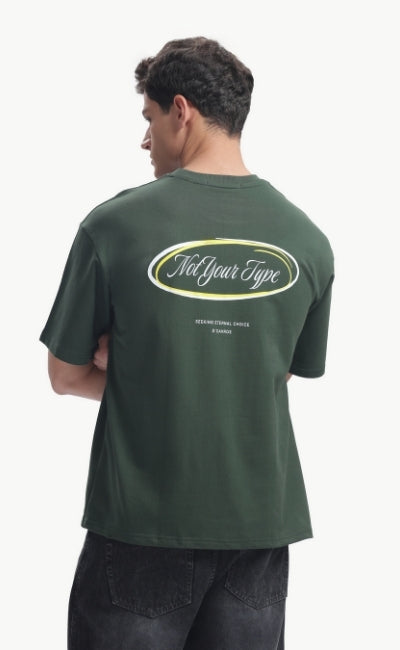
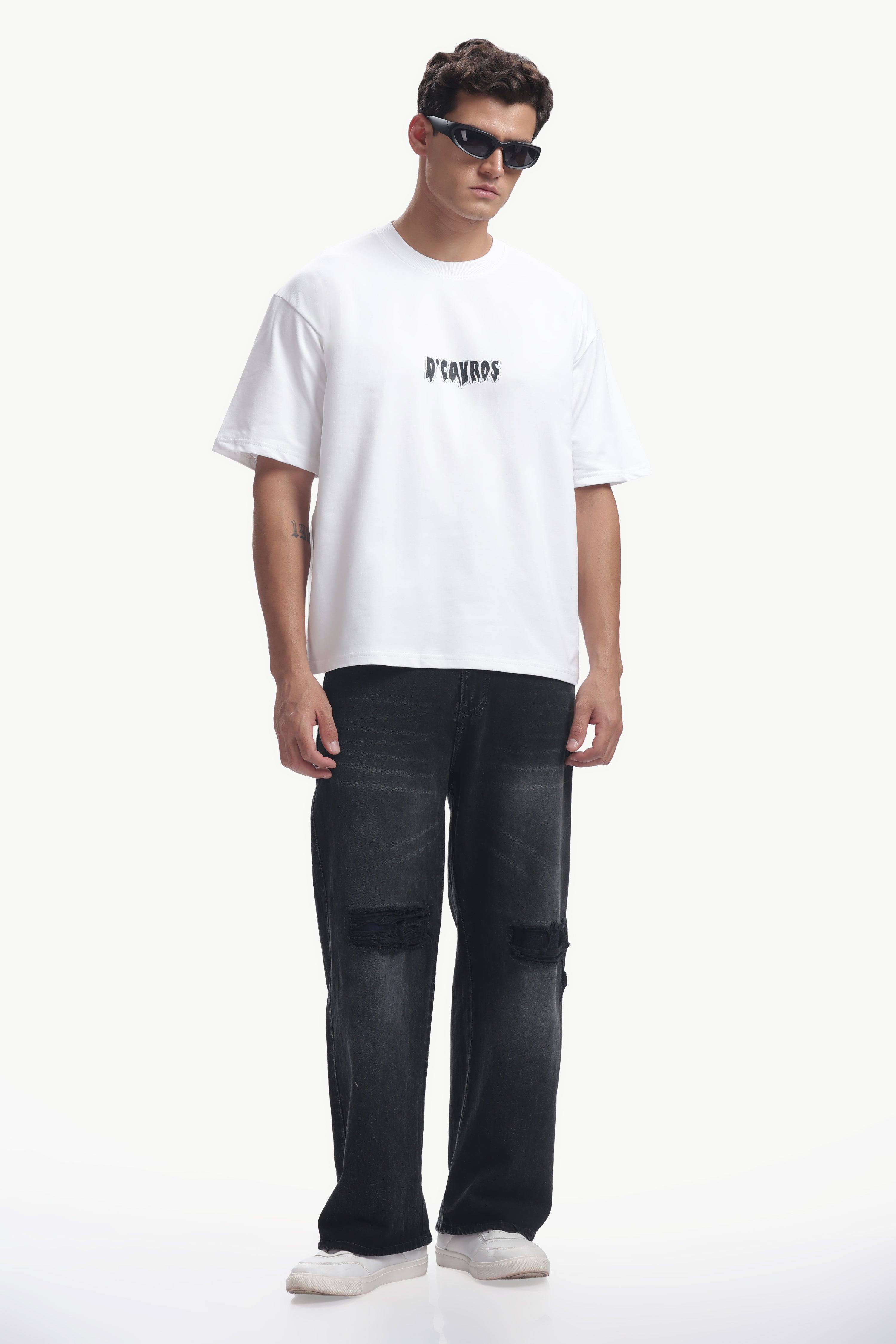
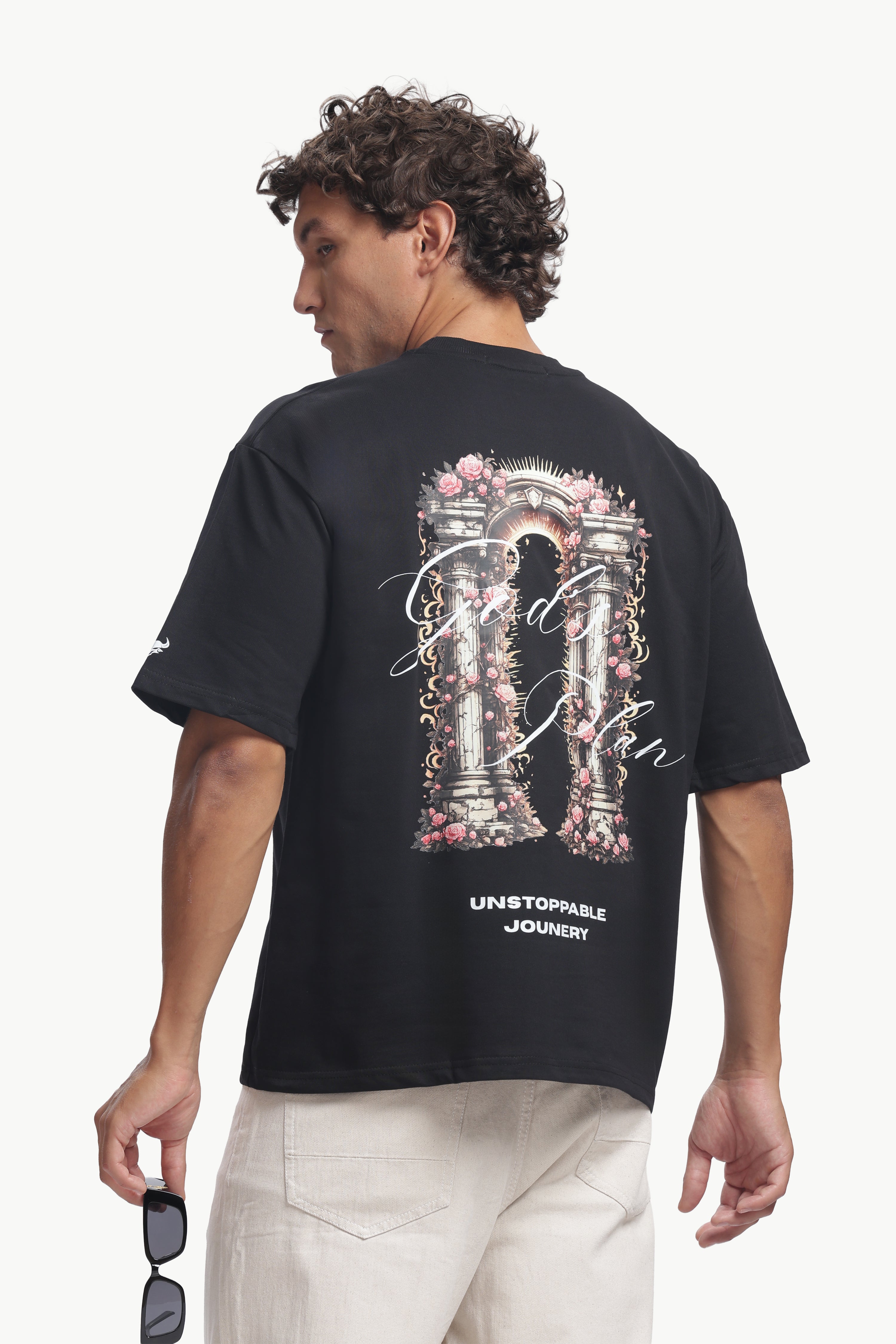
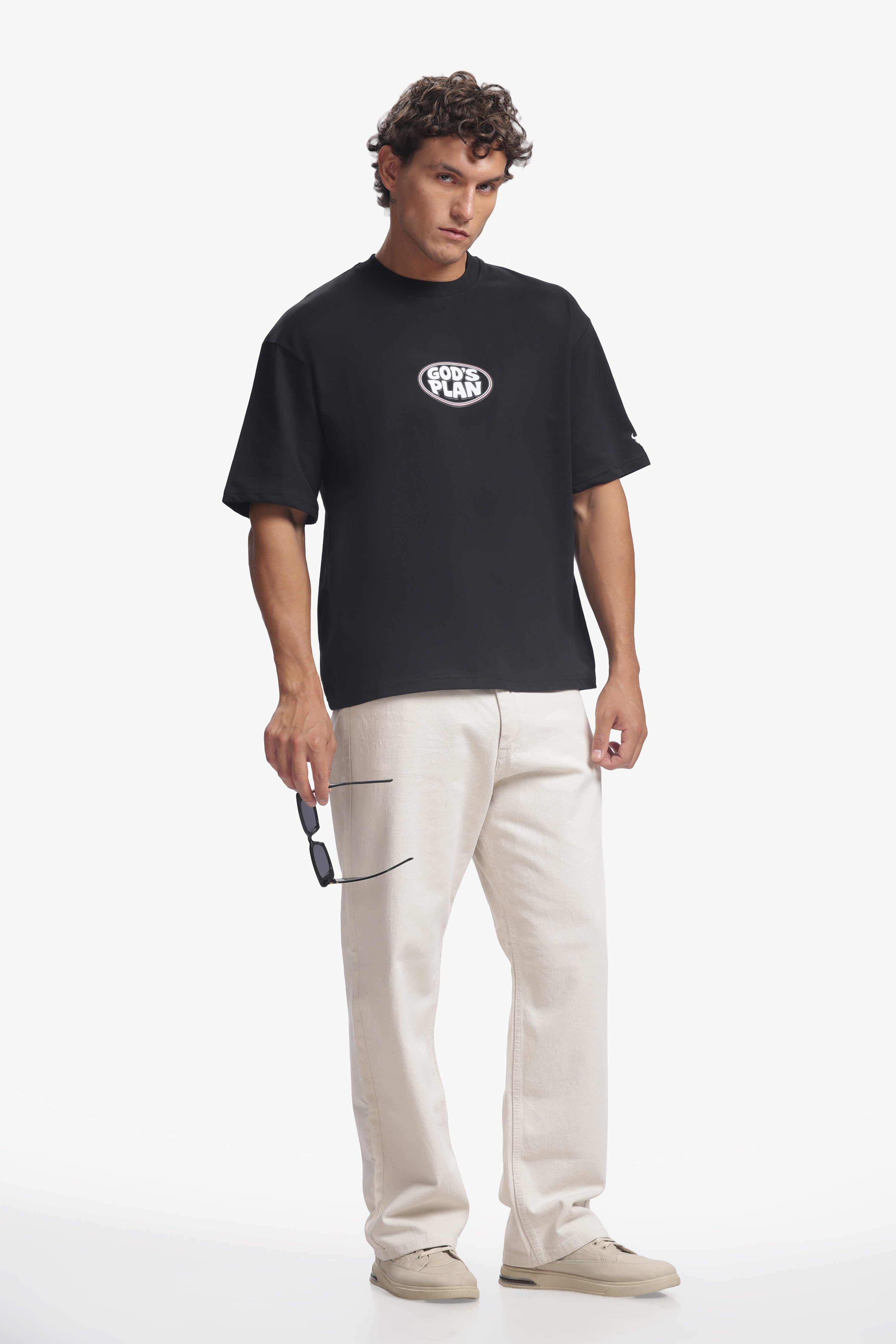
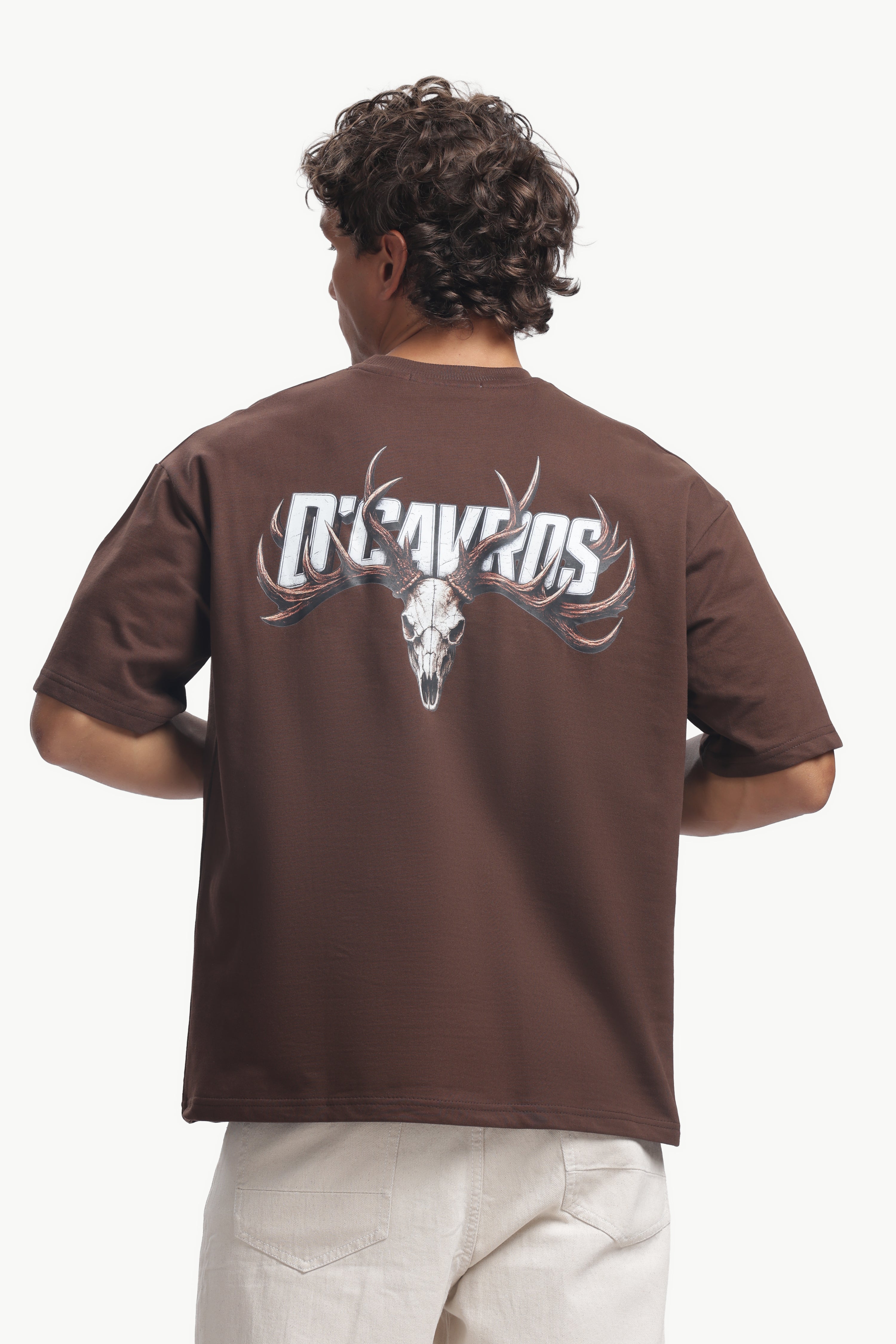
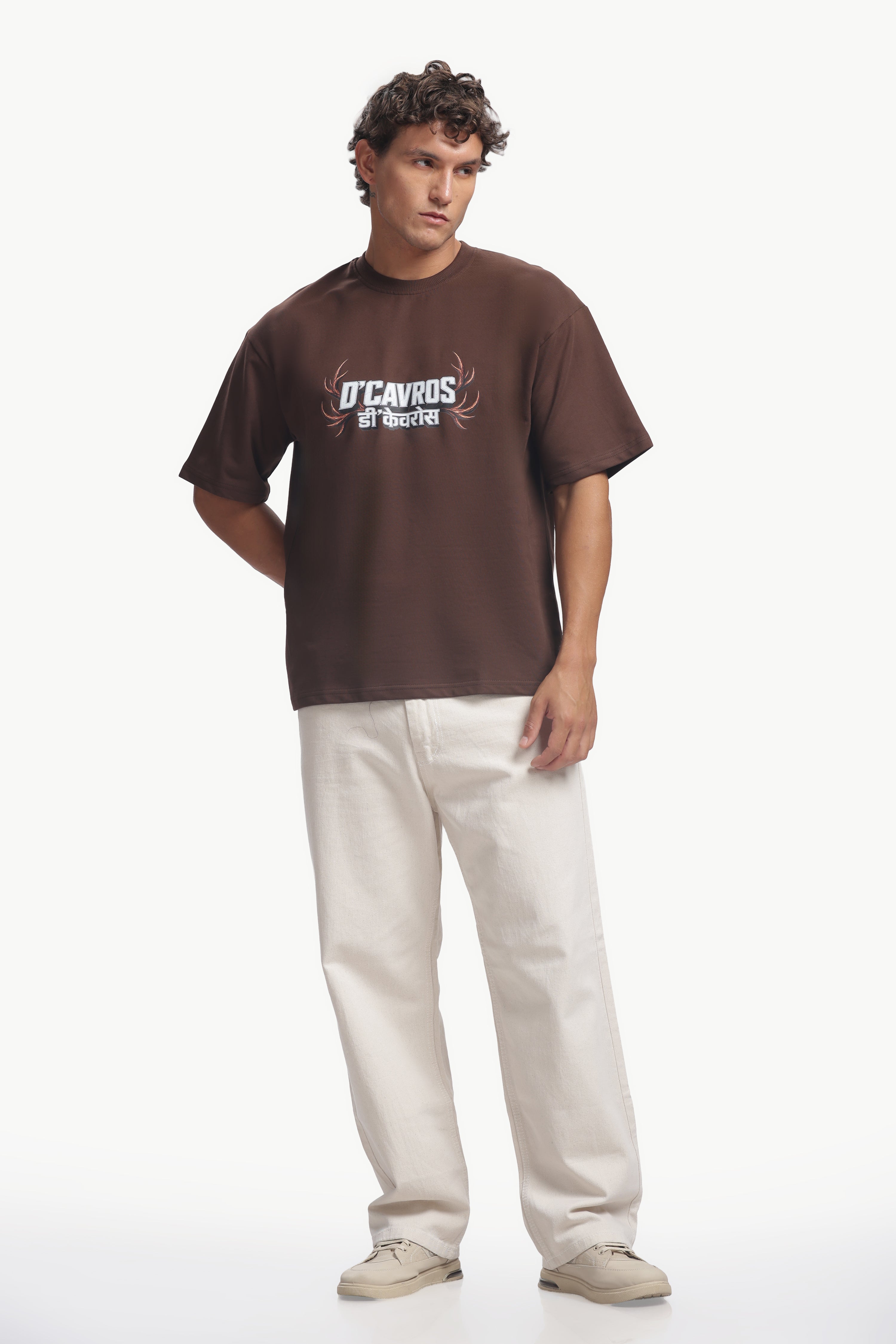
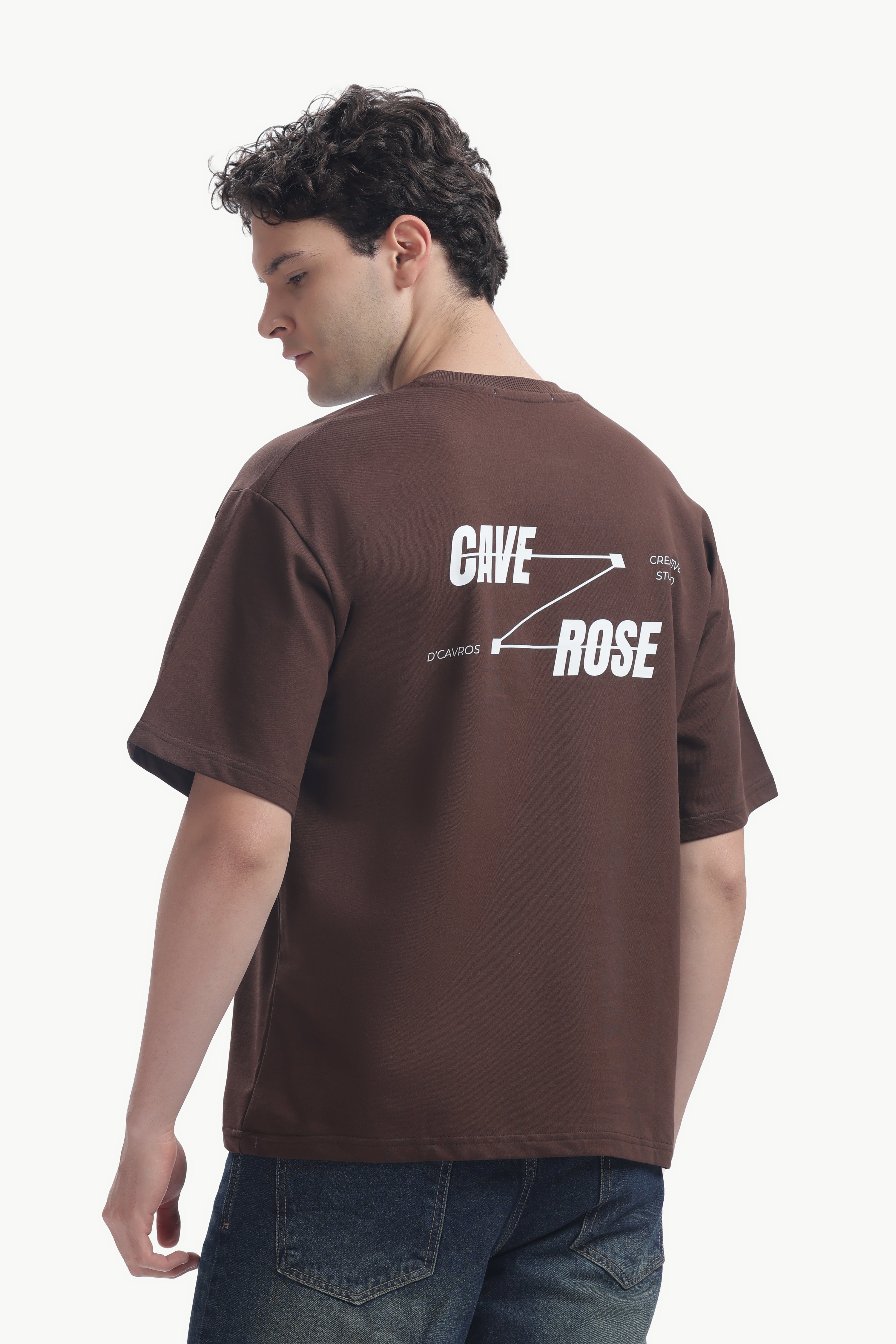
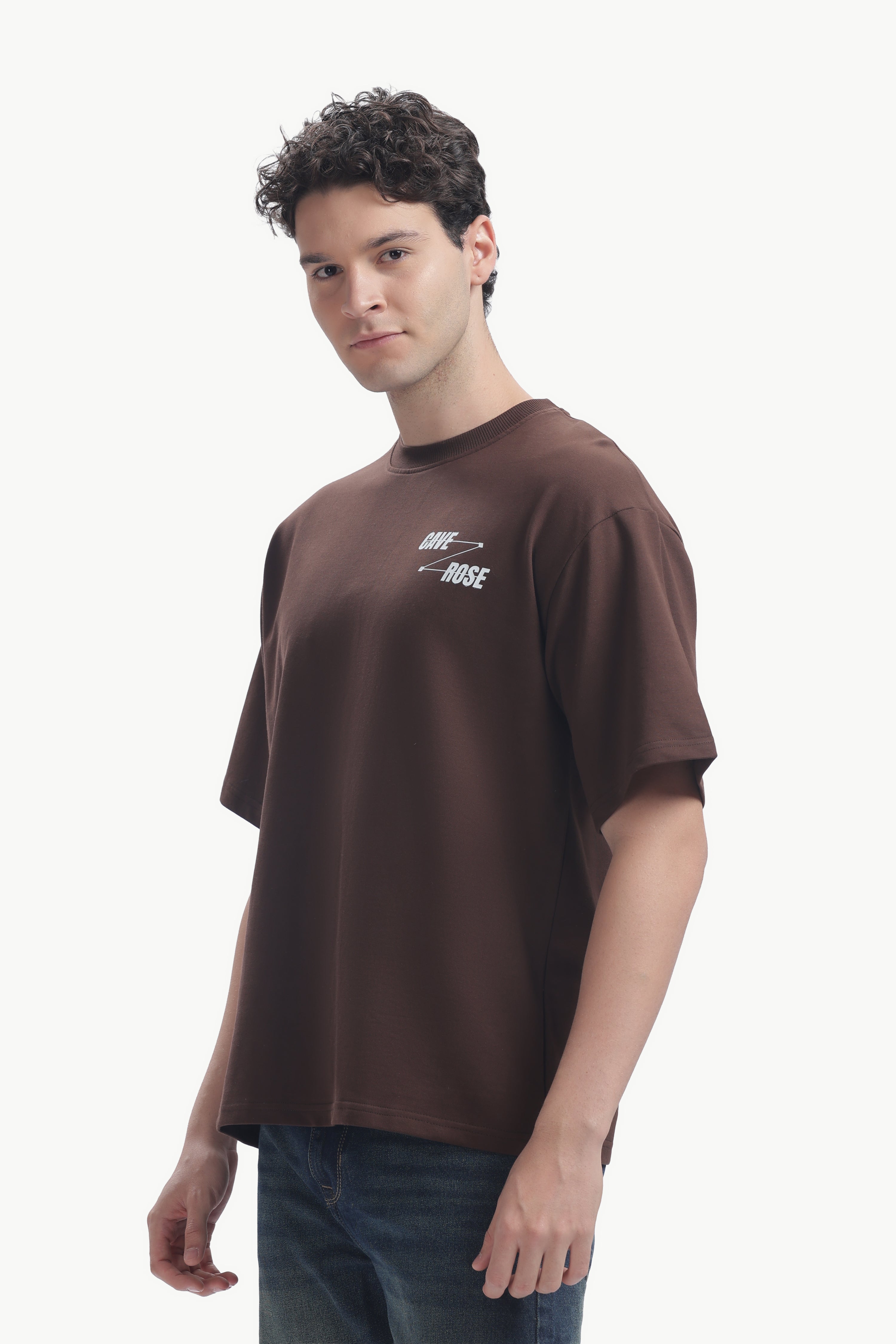
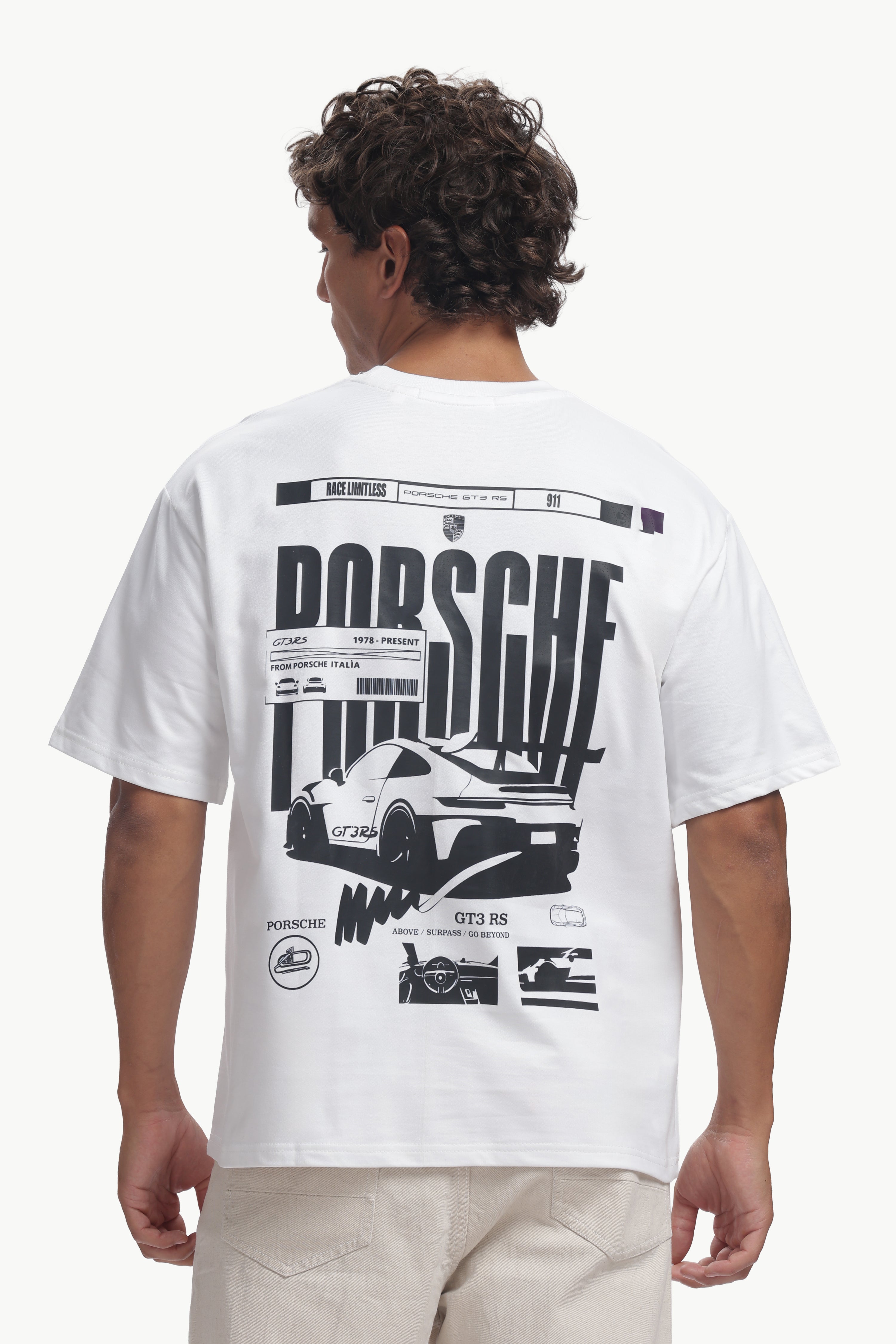
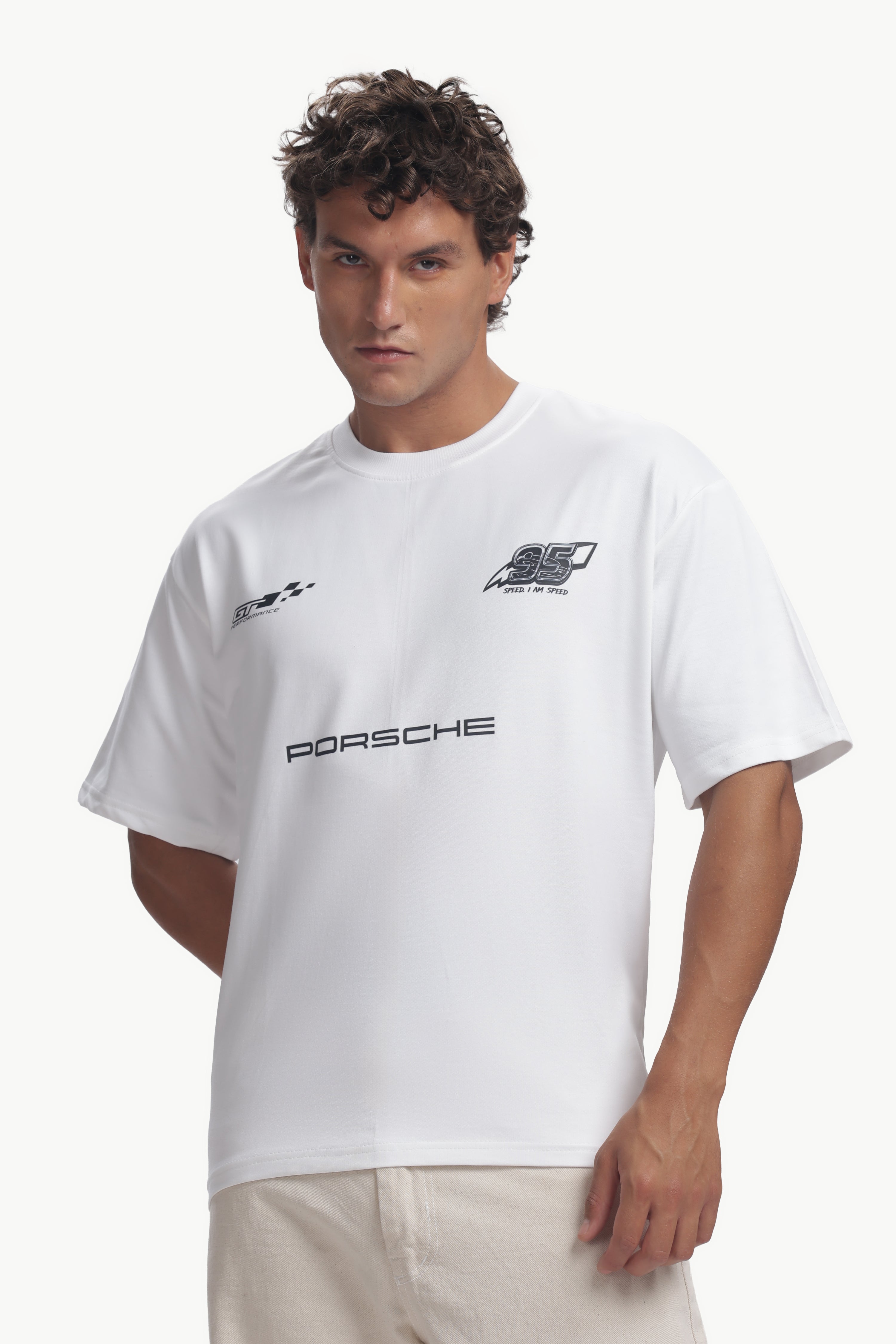
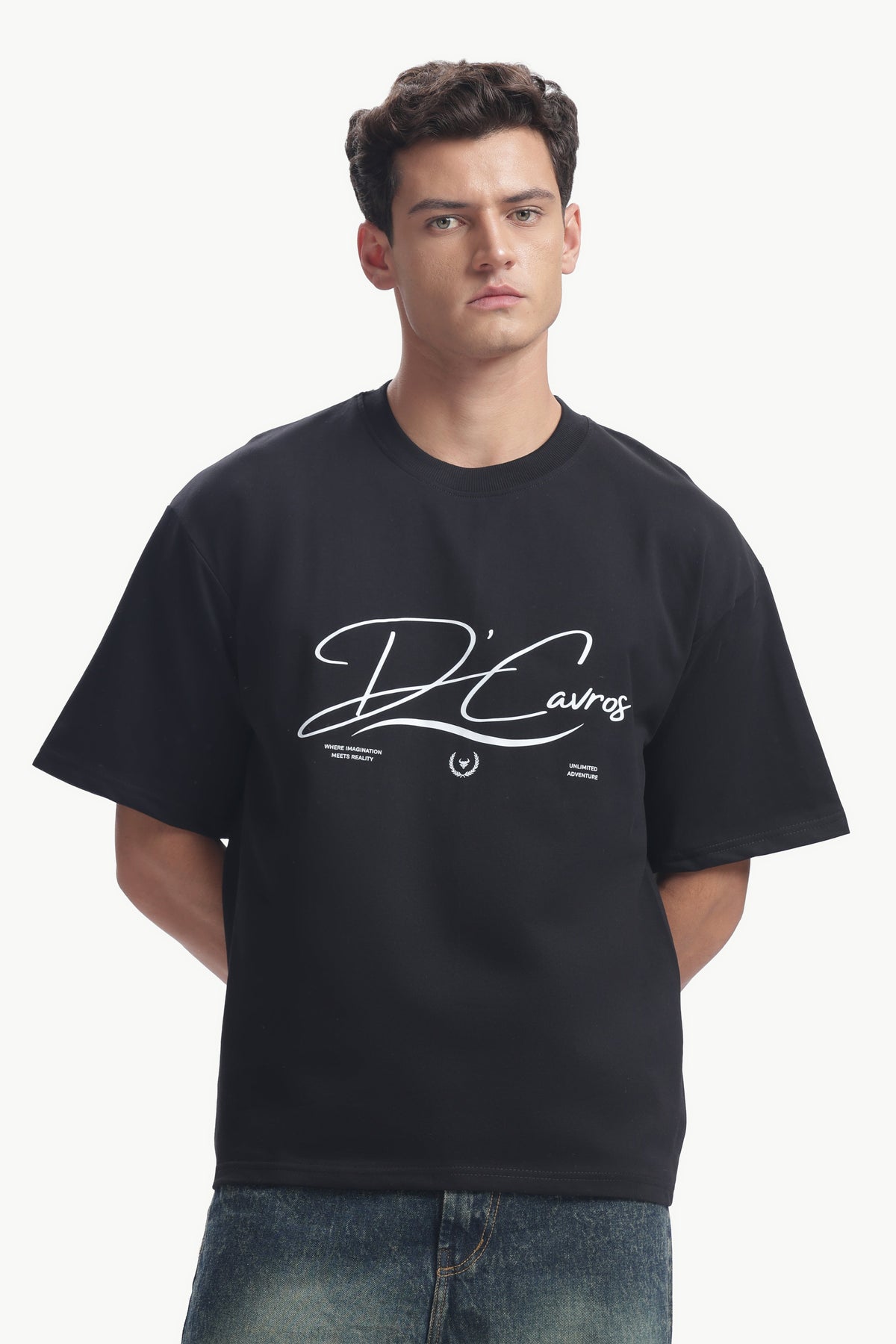
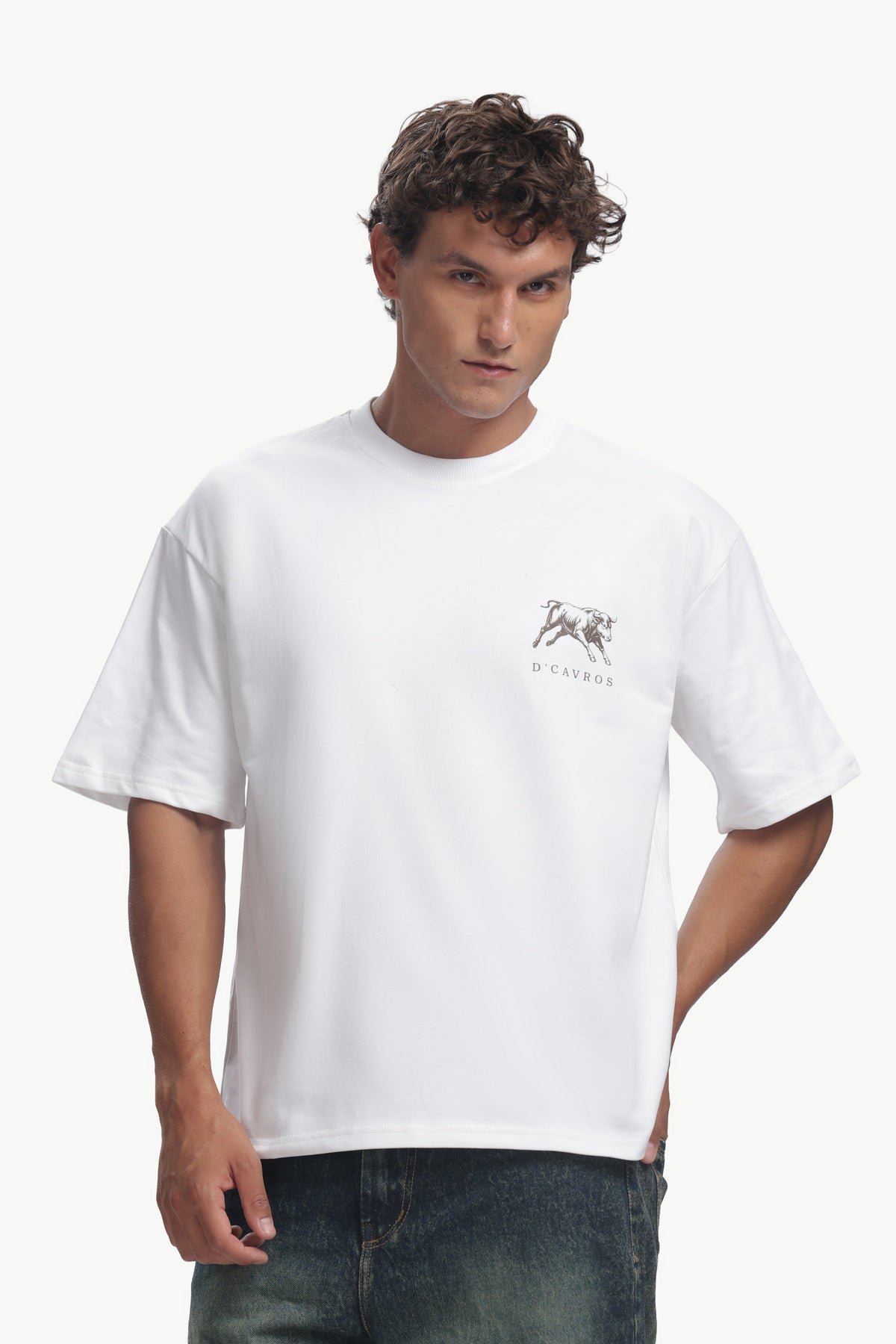
Both fabric weights have distinct advantages. A 180 GSM T-shirt is typically lighter and more breathable, making it a popular option for everyday wear in warmer climates. A 260 GSM T-shirt, on the other hand, offers a thicker, more structured feel that has become a hallmark of many premium oversized styles.
Choosing between them isn't about selecting the "better" fabric, it's about selecting the right fabric for your lifestyle, climate, and personal preferences.
This guide compares both fabric weights in detail so you can make an informed decision before your next purchase.
Quick Answer
If you prefer a lightweight, breathable T-shirt for hot weather, 180 GSM is an excellent choice. If you want a more structured, durable, and premium-feeling T-shirt with a heavier drape, 260 GSM is generally the better option. Neither is universally superior the right choice depends on how and where you'll wear it.
The Problem
Many shoppers believe that the highest GSM automatically delivers the best experience.
As a result, they may purchase a heavyweight T-shirt expecting it to outperform every lighter garment, only to find it feels warmer than expected in summer or heavier than they prefer.
Conversely, some people choose lightweight T-shirts because they're cooler, only to be disappointed when the fabric doesn't provide the substantial feel they were looking for.
Without understanding how fabric weight influences comfort, structure, and performance, it's easy to buy a T-shirt that doesn't match your needs.
The Solution
Rather than focusing on the GSM number alone, compare how each fabric weight performs across the characteristics that matter most:
- Comfort
- Breathability
- Structure
- Durability
- Appearance
- Climate suitability
- Everyday practicality
By evaluating each area individually, you'll quickly see which fabric weight is the better fit for your wardrobe.
1. 260 GSM vs 180 GSM: A Quick Comparison
Before diving into the details, here's a side-by-side overview.
| Feature | 180 GSM | 260 GSM |
|---|---|---|
| Fabric Weight | Lightweight | Heavyweight |
| Feel | Light and soft | Thick and substantial |
| Breathability | Excellent | Good |
| Structure | Relaxed | Strong and structured |
| Drape | Flows naturally | Holds its shape |
| Warm Weather | Excellent | Moderate |
| Cooler Weather | Moderate | Excellent |
| Oversized Styling | Good | Excellent |
| Everyday Durability | Good | Very Good |
This table highlights the biggest differences at a glance, but each characteristic deserves a closer look.
2. Comfort Comparison
Comfort is one of the most important factors when choosing a T-shirt, but it's also highly personal.
180 GSM Comfort
A 180 GSM T-shirt generally feels:
- Lighter on the body
- More breathable
- Easy to wear throughout the day
- Comfortable in warm weather
- Flexible for everyday movement
Because of its lighter construction, many people prefer this fabric weight for daily casual wear, especially during spring and summer.
260 GSM Comfort
A 260 GSM T-shirt provides a noticeably different experience.
Instead of feeling light and airy, it offers:
- A more substantial feel
- Greater structure
- A premium hand feel
- Better shape retention
- A luxurious drape
Many people associate this weight with high-end oversized fashion because it creates a clean, structured silhouette without feeling stiff when made from quality cotton.
3. Breathability Comparison
Breathability determines how effectively a fabric allows heat and moisture to escape.
Generally:
180 GSM
Advantages:
- Better airflow
- Cooler feel
- Ideal for hot climates
- Comfortable during extended outdoor use
260 GSM
Advantages:
- More substantial fabric
- Comfortable when made from breathable cotton
- Better suited to mild or cooler weather
- Structured without sacrificing comfort when properly constructed
It's important to remember that cotton quality and knit construction influence breathability just as much as GSM.

4. Durability Comparison
One of the biggest reasons people consider a heavyweight T-shirt is durability. While fabric weight can contribute to longevity, it should never be viewed in isolation.
A T-shirt's lifespan depends on a combination of fabric quality, yarn strength, stitching, finishing, and how well it is cared for.
180 GSM Durability
A well-made 180 GSM T-shirt can provide excellent durability for everyday wear.
Advantages include:
- Comfortable for frequent use
- Less bulky for daily washing
- Dries relatively quickly
- Suitable for year-round casual wear in many climates
Potential considerations:
- Lightweight fabrics may show signs of wear sooner if made from lower-quality fabrics.
- Poor stitching can reduce lifespan regardless of GSM.
260 GSM Durability
Heavyweight fabrics generally contain more material per square metre, giving them a stronger and more substantial feel.
Benefits include:
- Better resistance to everyday wear
- Improved shape retention
- More structured appearance over time
- Often preferred for premium oversized silhouettes
However, durability still depends heavily on construction quality. A poorly made 260 GSM T-shirt won't necessarily outlast a well-constructed 180 GSM garment.
5. Shape Retention
Shape retention refers to how well a T-shirt maintains its original fit after repeated washing and regular wear.
180 GSM
Lightweight fabrics naturally drape more softly. High-quality versions can maintain their shape well, but they generally have a more relaxed appearance.
260 GSM
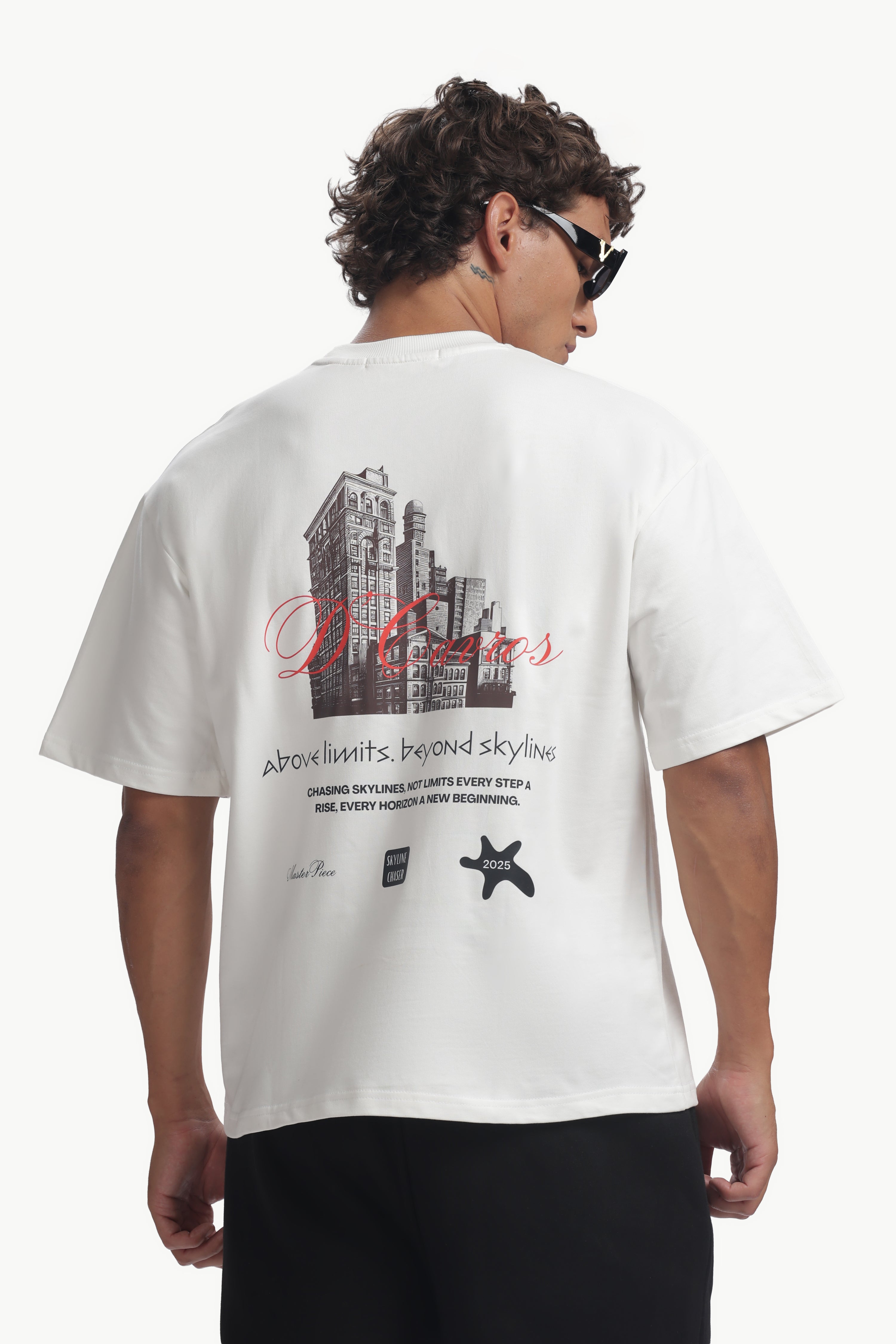
The additional fabric weight helps create a structured silhouette that many people associate with premium fashion.
Heavyweight cotton often:
- Holds the shoulder line better
- Maintains an oversized shape
- Creates cleaner folds
- Reduces cling against the body
This structured appearance is one of the reasons 240–260 GSM fabrics have become increasingly popular in premium oversized collections.
6. Appearance & Drape
One of the easiest differences to notice between 180 GSM and 260 GSM fabrics is how they look when worn.
180 GSM Appearance
A lighter fabric tends to:
- Fall naturally with body movement
- Create a softer silhouette
- Feel less structured
- Offer a casual everyday look
This makes it an excellent option for simple, versatile outfits.
260 GSM Appearance
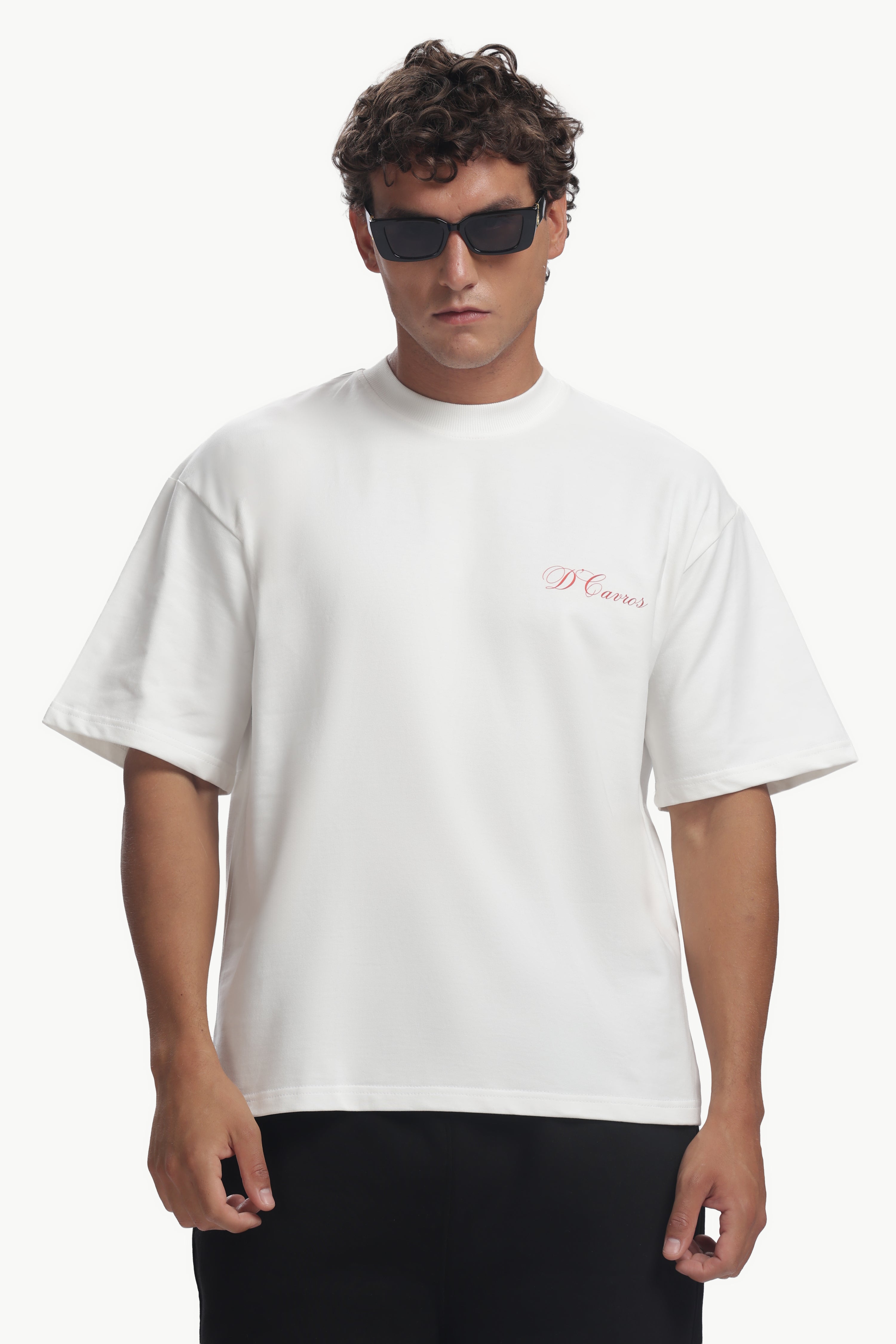
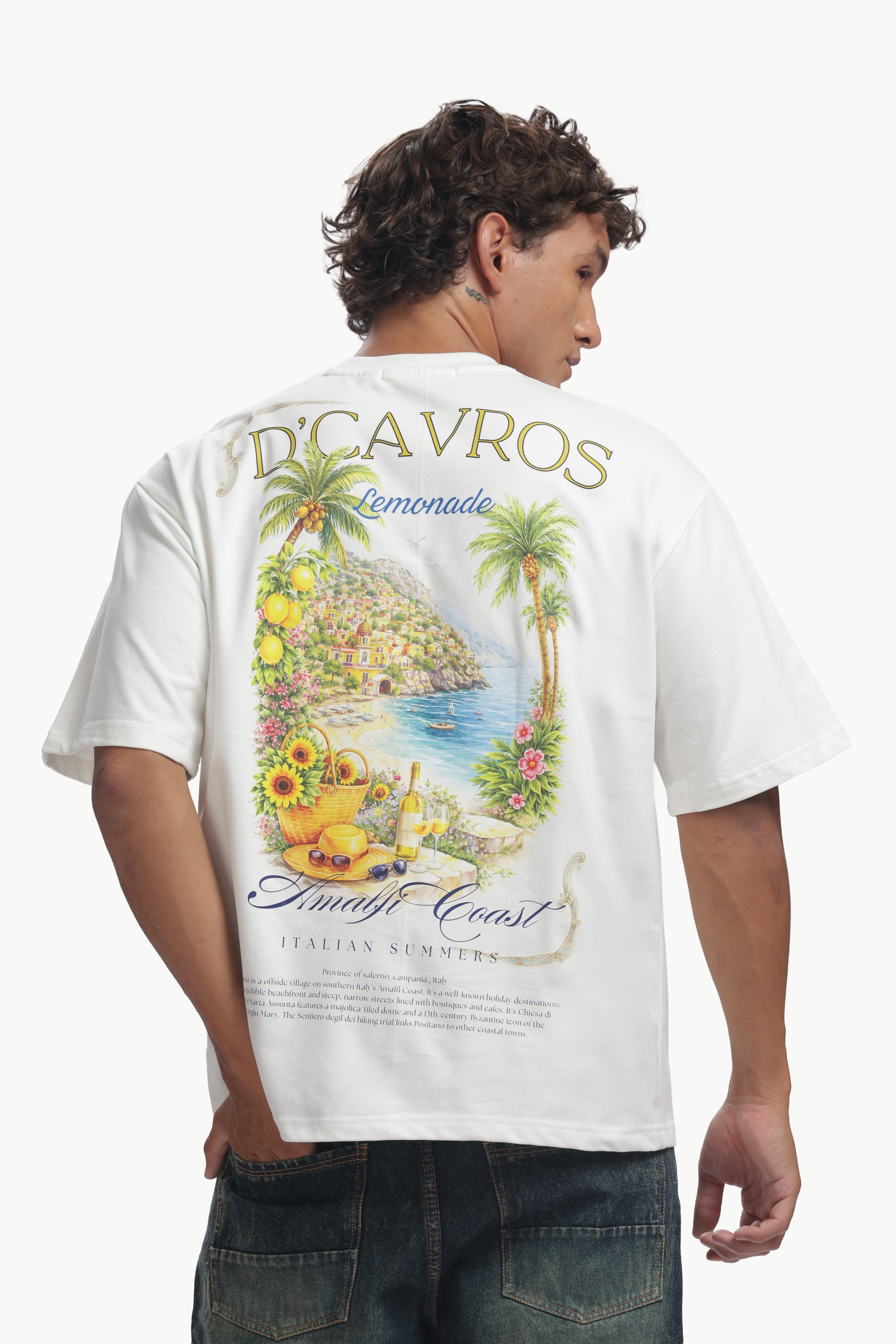
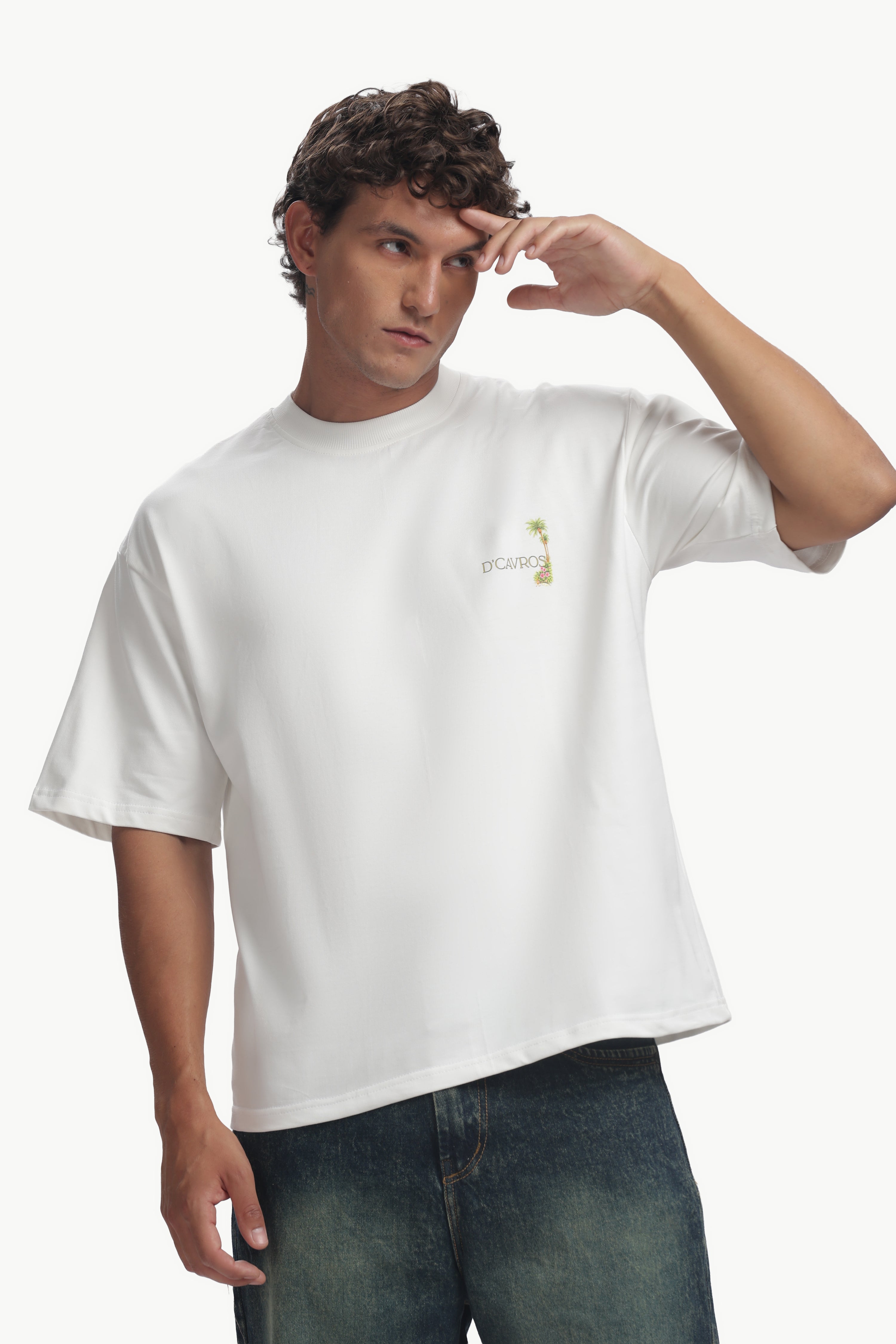
Heavyweight cotton creates a noticeably different visual effect.
It typically provides:
- A cleaner outline
- Sharper sleeves
- Better shoulder structure
- More defined oversized silhouettes
- A premium, fashion-forward appearance
Many luxury and contemporary brands favour heavyweight fabrics because they produce a more refined drape without relying on excessive branding or graphics.
7. Washing & Maintenance
Regardless of GSM, proper garment care plays a major role in preserving quality.
Care Tips for 180 GSM T-Shirts
- Wash according to the care label.
- Turn the garment inside out before washing.
- Avoid excessive heat.
- Fold or hang neatly after drying.
Care Tips for 260 GSM T-Shirts
Heavyweight fabrics benefit from the same care principles.
Additionally:
- Avoid overcrowding the washing machine.
- Fold neatly to help maintain structure.
- Store in a cool, dry place.
Consistent care helps preserve colour, shape, and comfort over time.
8. Which GSM Performs Better in Different Climates?
Choosing the right fabric weight often depends on where you live.
| Climate | Recommended GSM | Reason |
|---|---|---|
| Hot & Humid | 160–180 GSM | Lightweight and breathable |
| Warm | 180–220 GSM | Balanced comfort |
| Mild | 220–260 GSM | Added structure without excessive weight |
| Cool | 240–300 GSM | Greater warmth and substantial feel |
These ranges are general guidelines rather than strict rules. Factors such as cotton quality, knit construction, and personal preference can significantly influence comfort.
Expert Buying Tips
Before deciding between 180 GSM and 260 GSM, ask yourself:
✅ What climate will I wear it in most often?
✅ Do I prefer a lightweight or structured feel?
✅ Am I buying it for daily wear, layering, or oversized styling?
✅ Have I checked the fabric composition and construction?
✅ Does the garment's fit suit my personal style?
The best T-shirt isn't determined by GSM alone it's the one that matches your needs, feels comfortable, and is made with quality materials and craftsmanship.
Key Takeaways
- 180 GSM is lightweight, breathable, and ideal for warmer weather.
- 260 GSM provides a structured, premium feel with excellent shape retention.
- Higher GSM does not automatically mean better quality.
- Cotton quality, stitching, and construction are just as important as fabric weight.
- Choose the fabric weight that best suits your climate, style, and everyday needs rather than following trends alone.
Conclusion
Choosing between a 180 GSM and a 260 GSM T-shirt isn't about deciding which one is universally better it's about understanding how each fabric weight performs in real-world situations.
A 180 GSM T-shirt is an excellent choice if you prioritise breathability, lightweight comfort, and versatility in warmer climates. A 260 GSM T-shirt is ideal if you prefer a more structured silhouette, a premium hand feel, and a garment that complements oversized styling.
The most important takeaway is that GSM is only one part of quality. Premium cotton, expert construction, durable stitching, and proper care all contribute to how a T-shirt looks, feels, and performs over time.
Use GSM as a helpful guide, but always evaluate the garment as a whole before making your purchase.

Written by Dhruv Bhuva



Leave a comment
This site is protected by hCaptcha and the hCaptcha Privacy Policy and Terms of Service apply.