

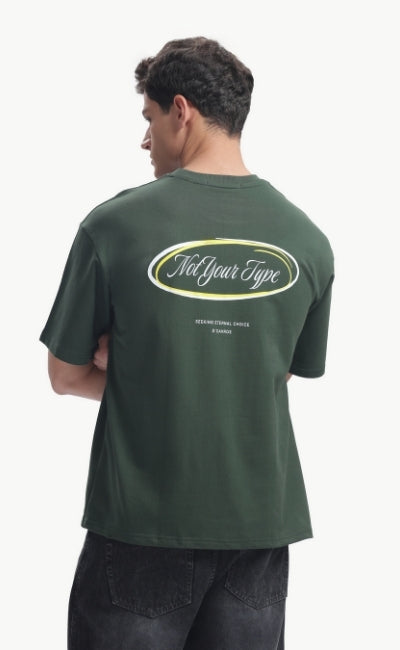



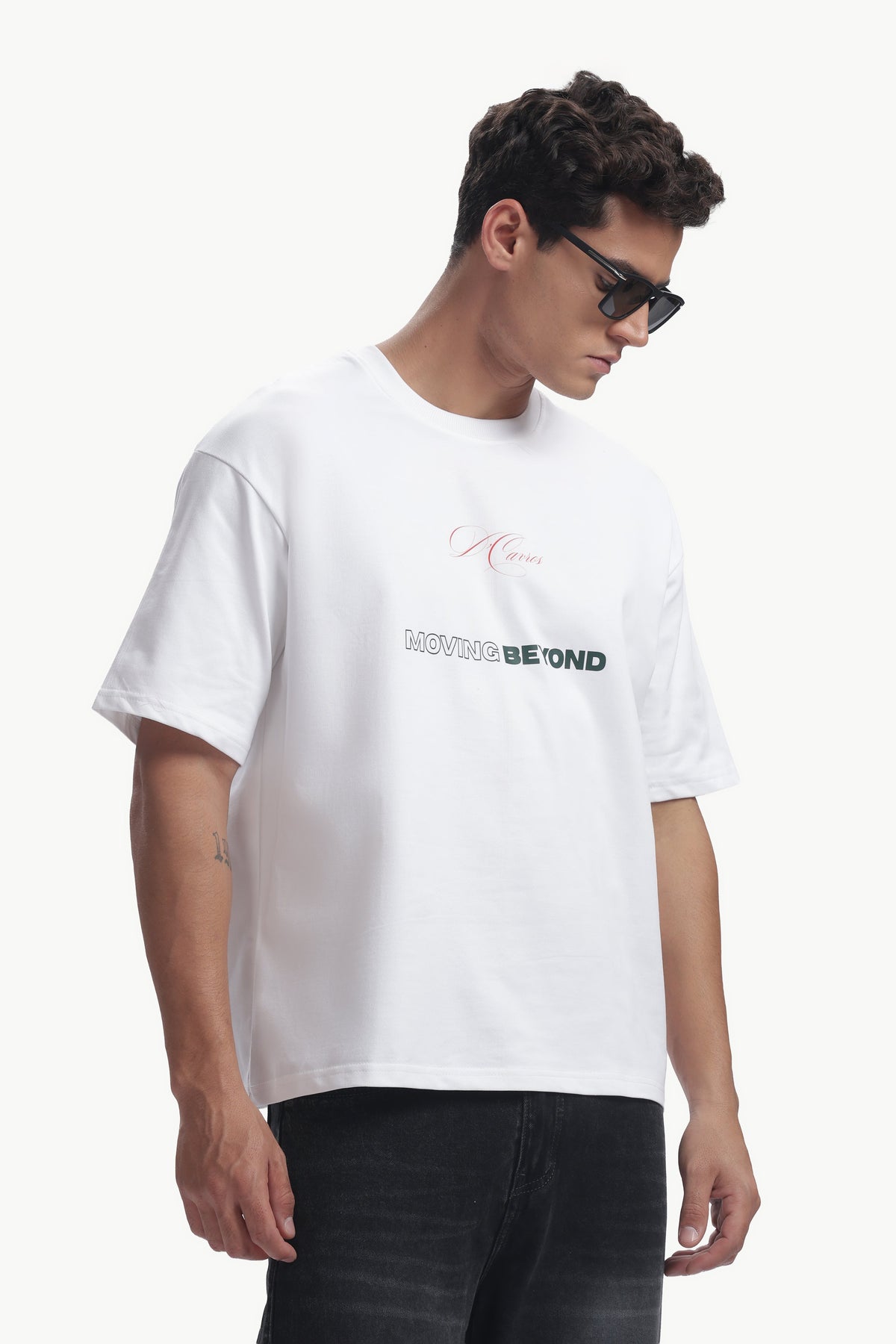
Heavyweight Cotton Explained: What Makes It Different?
Table of Contents
- What is Heavyweight Cotton?
- Why Heavyweight Cotton is Popular
- How Heavyweight Cotton is Made
- Characteristics of Heavyweight Cotton
- Heavyweight vs Regular Cotton
- Pros and Cons
- Who Should Choose Heavyweight Cotton?
- Frequently Asked Questions
- Recommended Products
- Related Articles
- Conclusion
Introduction
Heavyweight cotton has become one of the defining features of modern premium T-shirts. Once associated mainly with workwear and durable basics, it is now widely used by contemporary fashion brands that value structure, longevity, and elevated everyday style.
As more brands promote heavyweight cotton, shoppers often assume it simply means a thicker fabric. While weight is certainly part of the equation, heavyweight cotton offers much more than extra grams. The type of cotton used, the knitting technique, and the way the garment is constructed all contribute to how it looks, feels, and performs.
Understanding what heavyweight cotton really is can help you recognise genuine quality and avoid being influenced by marketing claims alone.
In this guide, we'll explain how heavyweight cotton differs from regular cotton, why it has become so popular, and whether it's the right choice for your wardrobe.
Quick Answer
Heavyweight cotton refers to cotton fabric with a higher fabric weight, typically 220 GSM or above, although exact ranges vary between manufacturers. Compared with lighter cotton fabrics, heavyweight cotton generally provides a more substantial feel, improved structure, better shape retention, and increased durability. However, fabric quality depends on much more than weight alone, including fabric quality, yarn construction, knitting, and finishing.
The Problem
Many shoppers believe that "heavyweight cotton" is simply another marketing term for thick fabric.
Others assume that every heavyweight T-shirt offers premium quality, while some avoid heavyweight garments altogether because they think they'll always feel too hot or uncomfortable.
These misconceptions often lead to buying decisions based on assumptions instead of understanding how heavyweight cotton actually performs.
Without knowing what makes heavyweight cotton different, it's difficult to determine whether it's the right fabric for your needs.
The Solution
Rather than focusing only on thickness or GSM, it's important to understand the characteristics that make heavyweight cotton unique.
We'll explore:
- How heavyweight cotton is produced
- Why it feels different
- How it compares with regular cotton
- Its advantages and limitations
- When it makes the most sense to wear
By the end of this guide, you'll know exactly what to look for when choosing a heavyweight cotton T-shirt.
1. What is Heavyweight Cotton?
Heavyweight cotton is cotton fabric that has a noticeably greater fabric weight than standard cotton used in everyday T-shirts.
While there isn't one universal definition, heavyweight cotton typically starts around 220 GSM and extends into the 260–300 GSM range for premium garments.
Unlike lightweight fabrics that prioritise airflow and minimal weight, heavyweight cotton is designed to provide:
- A more substantial feel
- Better structure
- Increased durability
- Improved shape retention
- A premium appearance
The extra weight comes from using more material within the same surface area not from adding synthetic fillers or making the fabric artificially stiff.
This creates a garment that feels more solid while still remaining comfortable when high-quality cotton fabrics are used.
2. Why Heavyweight Cotton Has Become So Popular
Over the past decade, heavyweight cotton has moved from niche workwear into mainstream premium fashion.
Several factors have contributed to this shift.
Modern Oversized Fashion
Oversized silhouettes rely on fabric that can hold its shape naturally.
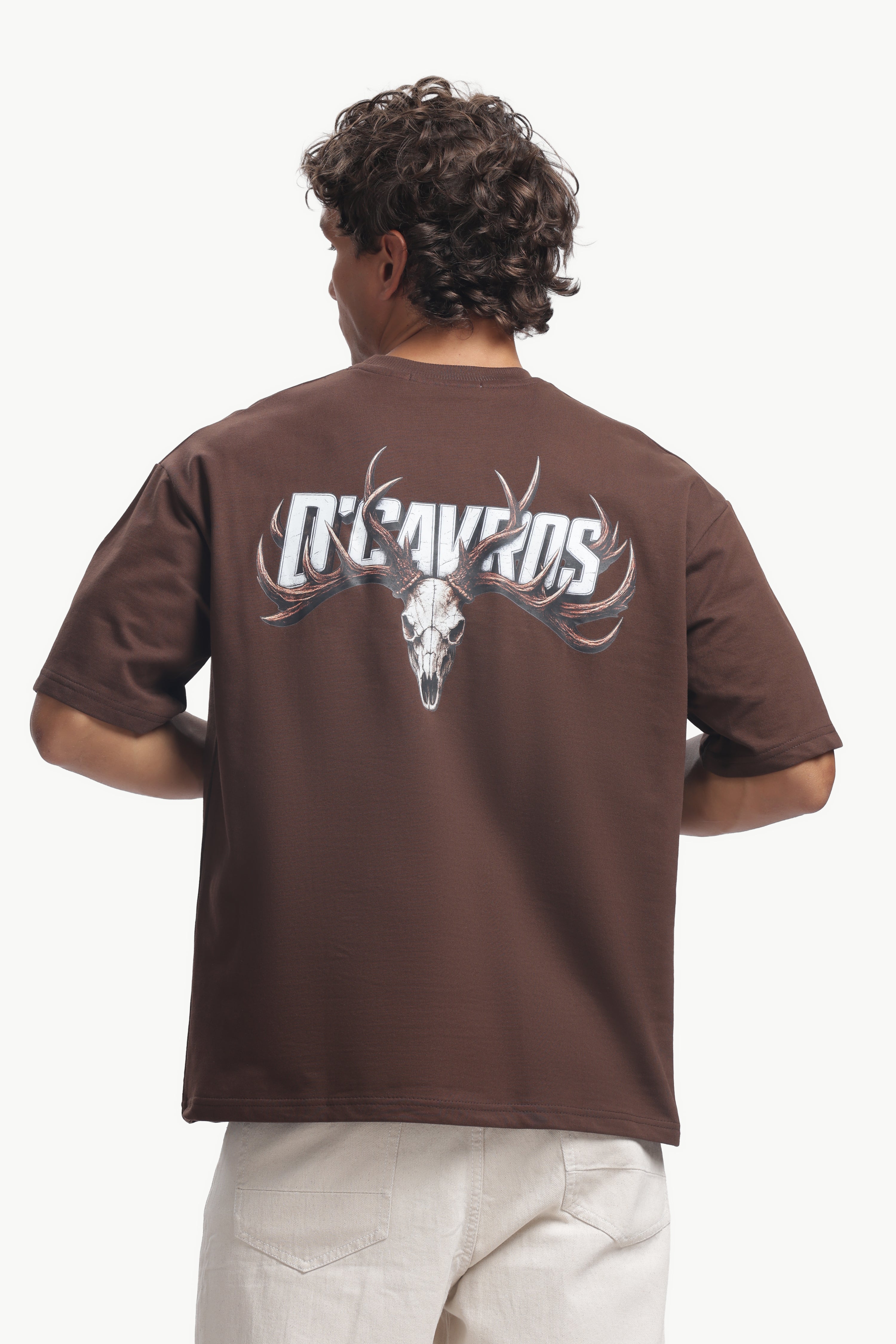
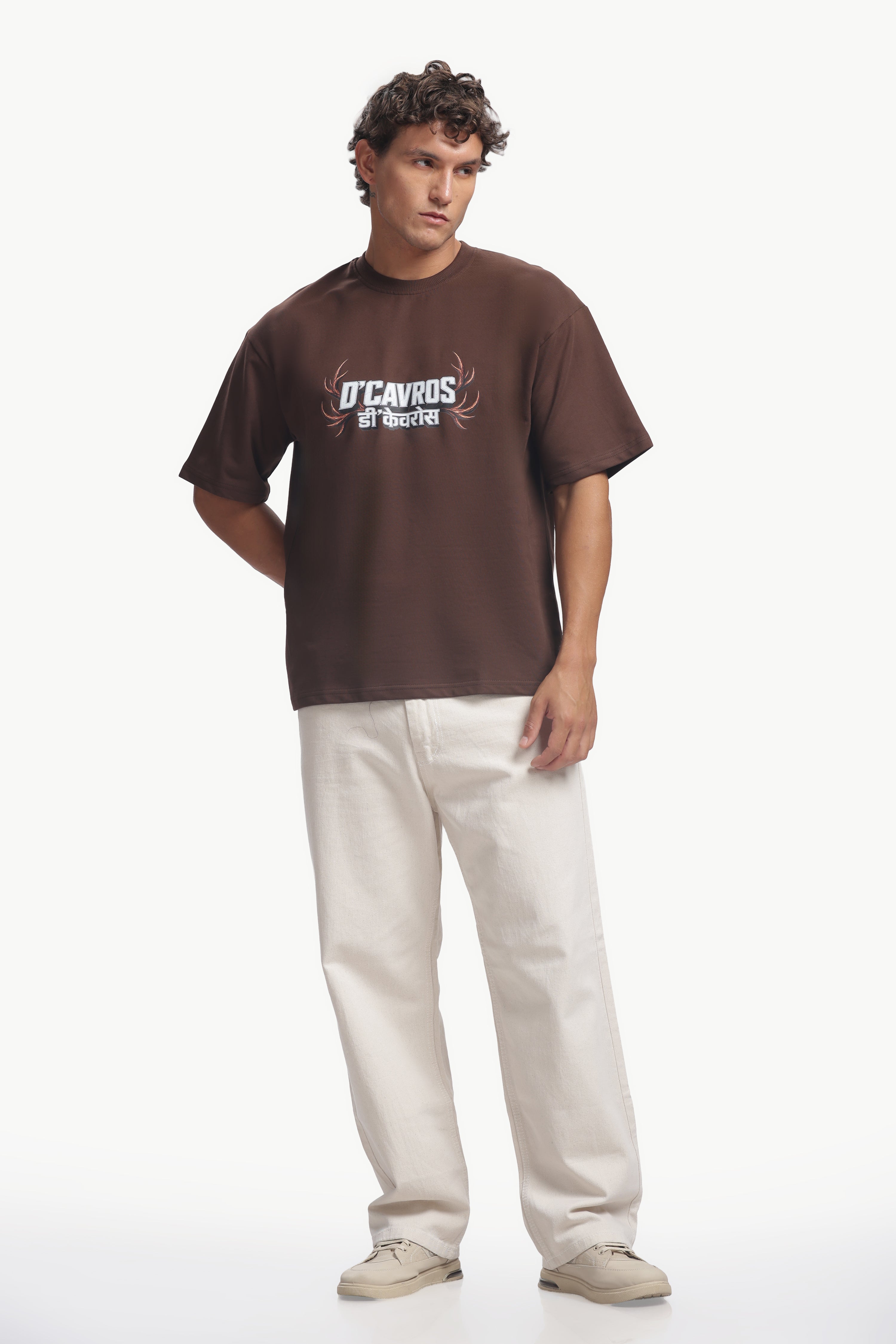
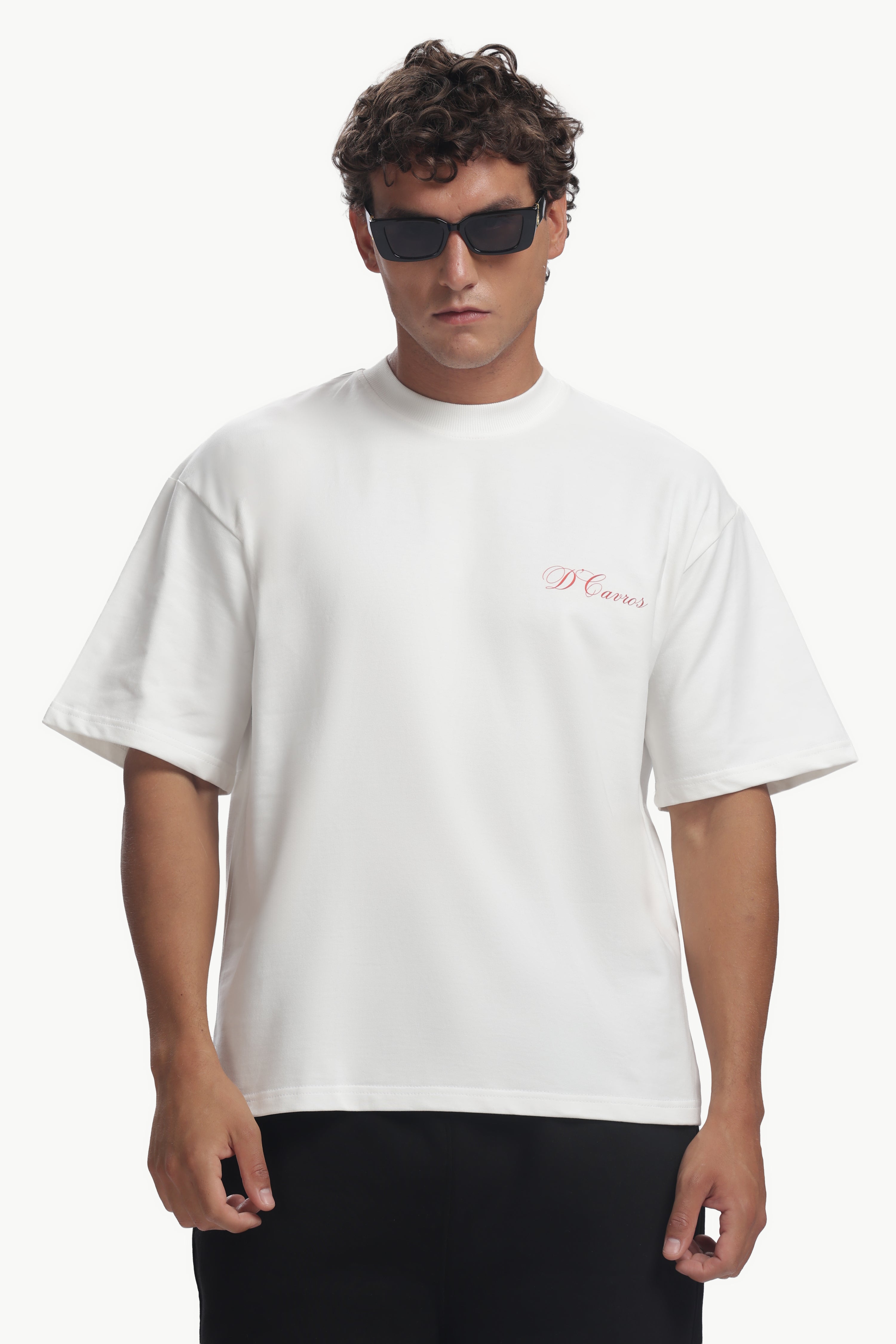
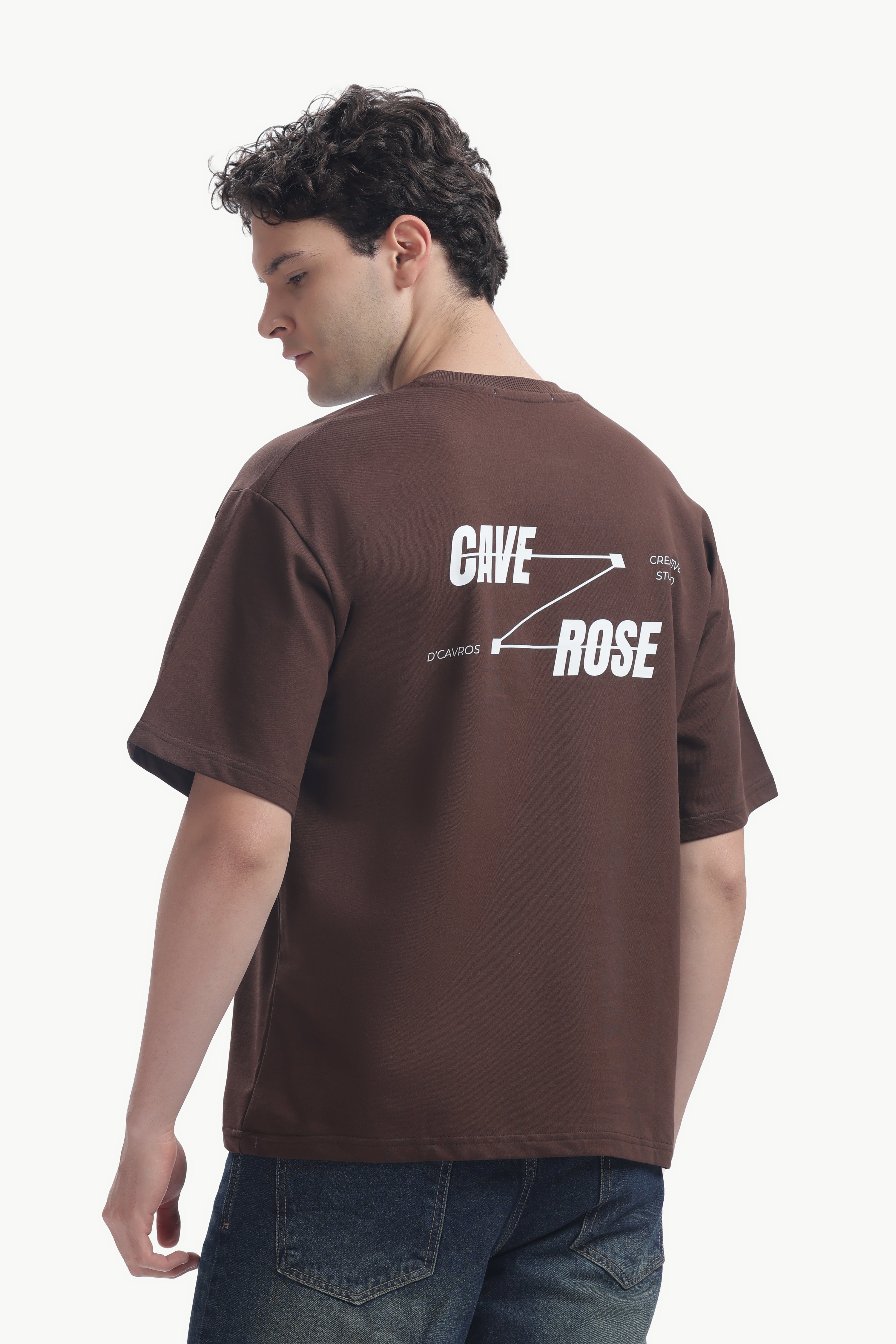
Heavyweight cotton creates clean shoulders, structured sleeves, and a more defined drape without appearing stiff.
Premium Feel
One of the first things people notice when picking up a heavyweight T-shirt is its substantial hand feel.
That sense of quality often contributes to a more premium overall experience.
Better Shape Retention
Because the fabric contains more material, heavyweight cotton often maintains its silhouette more effectively during regular wear.
When combined with quality construction, this helps garments look newer for longer.
Improved Durability
Although weight alone doesn't determine quality, heavyweight cotton generally provides greater resistance to everyday wear compared with lighter fabrics of similar construction.

3. How Heavyweight Cotton is Made
Heavyweight cotton isn't created by simply making fabric thicker.
Manufacturers achieve the desired weight through careful control of several factors during production.
These include:
Cotton Fabric Selection
High-quality cotton fabrics contribute to softness, strength, and overall comfort.
Longer fabrics generally produce smoother, more durable fabrics.
Yarn Construction
The yarn's thickness and the way it's spun influence the finished fabric's weight, texture, and performance.
Knitting Density
Manufacturers can increase fabric weight by adjusting how densely the fabric is knitted.
This affects both the garment's structure and its appearance.
Finishing Processes
Washing, brushing, and other finishing treatments help improve softness while maintaining the substantial feel that heavyweight cotton is known for.
4. Heavyweight Cotton vs Regular Cotton
One of the most common questions shoppers ask is whether heavyweight cotton is actually different from regular cotton. The answer is yes but not because one uses a different type of fabrics.
The primary differences lie in fabric weight, structure, feel, and performance. Both heavyweight and regular cotton can be made from high-quality cotton fibres, but they are designed for different purposes.
| Feature | Regular Cotton | Heavyweight Cotton |
|---|---|---|
| Typical GSM | 160–200 GSM | 220–300 GSM |
| Feel | Light and soft | Thick and substantial |
| Structure | Relaxed | Structured |
| Drape | Flows naturally | Holds its shape |
| Breathability | Excellent | Good to Very Good |
| Durability | Good | Very Good |
| Best For | Everyday casual wear | Premium essentials & oversized fits |
Neither option is inherently better. The right choice depends on your lifestyle, local climate, and preferred fit.
5. Advantages of Heavyweight Cotton
Heavyweight cotton has become increasingly popular because it offers several practical and aesthetic benefits.
Premium Hand Feel
One of the first things people notice is how substantial the fabric feels.
Instead of feeling thin or delicate, heavyweight cotton provides a reassuring sense of quality that many shoppers associate with premium clothing.
Better Structure
Heavyweight fabrics naturally hold their shape better.
This results in:
- Cleaner shoulders
- More defined sleeves
- A balanced oversized silhouette
- Less cling against the body
Improved Shape Retention
Quality heavyweight cotton is less likely to lose its structure after repeated wear when cared for correctly.
This helps garments maintain a polished appearance over time.
Increased Durability
The additional fabric weight can improve resistance to everyday wear, making heavyweight cotton an excellent choice for frequently worn essentials.
Premium Appearance
Many modern fashion brands use heavyweight cotton because it creates a refined silhouette with minimal effort.
Even plain T-shirts can appear more elevated when made from quality heavyweight fabric.

6. Are There Any Drawbacks?
Although heavyweight cotton offers many benefits, it isn't the ideal choice for every situation.
Slightly Warmer
Because there's more material, heavyweight cotton can retain more warmth than lightweight fabrics.
In extremely hot and humid conditions, some people may prefer lighter options.
Heavier Feel
If you're accustomed to lightweight clothing, a heavyweight T-shirt may initially feel noticeably more substantial.
Many people grow to appreciate this premium feel over time, but personal preference varies.
Longer Drying Time
Heavier fabrics typically absorb more water during washing and therefore may take longer to dry than lighter garments.
This isn't a disadvantage for most users, but it's worth considering if you wash clothes frequently.
📊 Pros & Cons Overview
| Advantages | Considerations |
| Premium feel | Slightly warmer in hot weather |
| Better structure | Heavier than lightweight cotton |
| Excellent shape retention | May take longer to dry |
| Improved durability | Not everyone prefers a structured fit |
| Refined appearance | Best matched to personal style and climate |
For many people, these trade-offs are well worth the enhanced look and feel of heavyweight cotton.
7. Comfort & Breathability
A common misconception is that heavyweight cotton cannot be breathable.
In reality, breathability depends on more than fabric weight.
Factors such as:
- Cotton fibre quality
- Yarn construction
- Knitting technique
- Fabric finishing
all influence how comfortable a garment feels.
Lightweight Cotton
Generally offers:
- Excellent airflow
- Cooler feel
- Ideal performance in very hot climates
Heavyweight Cotton
When produced from premium cotton, it can still provide:
- Good airflow
- Soft comfort
- A structured fit
- Comfortable everyday wear in many climates
Rather than feeling restrictive, high-quality heavyweight cotton combines substance with comfort.
8. Is Heavyweight Cotton Worth the Price?
Heavyweight cotton garments often cost more than lightweight alternatives.
This higher price is usually influenced by:
- Greater material usage
- Premium cotton fibres
- Better construction
- More complex manufacturing
- Enhanced durability
If you value longevity, structure, and a premium wearing experience, heavyweight cotton can offer excellent long-term value.
However, if your priority is staying as cool as possible during extremely hot weather, a lighter fabric may better suit your needs.

Expert Buying Tips
Before purchasing a heavyweight cotton T-shirt, ask yourself:
✅ Do I prefer a structured or relaxed silhouette?
✅ Will I wear it mainly in warm or mild weather?
✅ Is the cotton composition clearly stated?
✅ Does the garment feature quality stitching and construction?
✅ Am I buying it for longevity and everyday wear?
A well-made heavyweight cotton T-shirt is an investment in comfort, durability, and timeless style not simply a thicker piece of fabric.
Key Takeaways
- Heavyweight cotton typically starts around 220 GSM and above.
- It offers a structured silhouette, premium feel, and improved shape retention.
- Fabric quality depends on more than weight cotton fibres, knitting, stitching, and finishing all matter.
- Heavyweight cotton is especially popular for premium oversized T-shirts.
- Choose heavyweight cotton if you value durability, structure, and long-term wear.
Conclusion
Heavyweight cotton has earned its place in modern premium fashion because it delivers more than just additional fabric weight. When crafted from high-quality cotton and combined with expert construction, it creates garments that feel substantial, hold their shape well, and offer long-lasting comfort.
However, the best T-shirt isn't simply the heaviest one. The right choice depends on your climate, style preferences, and how you intend to wear it. A lightweight cotton T-shirt may be ideal for hot summer days, while a heavyweight option excels when you want a refined silhouette and a premium everyday essential.
By understanding what heavyweight cotton truly is and what it isn't you'll be better equipped to recognise genuine quality and make confident purchasing decisions.

Written by Dhruv Bhuva








Leave a comment
This site is protected by hCaptcha and the hCaptcha Privacy Policy and Terms of Service apply.