

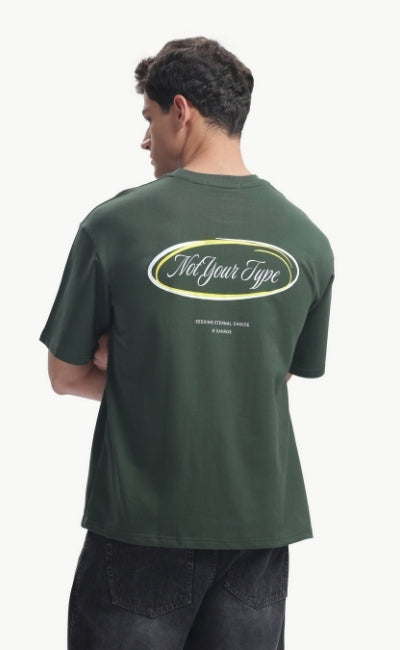



Clothing Care Guide
The Complete Clothing Care Guide: How to Wash, Dry and Maintain Your Clothes
Clothing Care Guide knowledge is essential for keeping your favourite garments looking fresh, comfortable and presentable over time. Whether you wear oversized T-shirts, classic polos, comfortable hoodies, sweatpants or winterwear, the way you wash, dry and store your clothes directly affects their appearance and lifespan.
Buying quality clothing is only one part of building a wardrobe. Taking proper care of those garments is equally important. Incorrect washing temperatures, harsh detergents, excessive heat and improper storage can gradually affect fabric quality, colour, shape and fit.
At D’CAVROS, we believe that great clothing deserves great care. This complete clothing care guide explains how to maintain different types of garments with simple, practical habits that you can follow at home.
Quick Answer: How Should You Take Care of Your Clothes?
To maintain your clothes properly:
-
Always check the garment's care label before washing.
-
Separate whites, darks and coloured garments.
-
Turn printed garments inside out before washing.
-
Use a mild detergent and avoid excessive quantities.
-
Prefer cold or cool water for everyday washing.
-
Avoid excessive machine spinning and high-temperature drying.
-
Air-dry garments in a shaded, well-ventilated area.
-
Store clothes completely dry and properly folded or hung.
-
Avoid ironing directly over printed designs.
Following these basic habits can help maintain your garments' colour, shape, texture and overall appearance.
1. Understand Your Fabric Before Washing
The first step in proper clothing care is understanding the fabric. Different materials respond differently to water, detergent, heat and washing techniques.
Not every garment should be washed using the same method.
Cotton Clothing
Cotton is widely used in everyday clothing because of its softness, breathability and comfort. However, cotton garments can shrink, wrinkle or lose their original appearance when exposed to excessive heat or aggressive washing.
Care tips:
-
Wash using cold or cool water.
-
Use a mild laundry detergent.
-
Avoid excessive washing and high-temperature drying.
-
Air-dry naturally whenever possible.
-
Iron at an appropriate cotton setting if necessary.
Cotton-Polyester Blends
Garments made with cotton and polyester blends combine the comfort of cotton with some of the durability and shape retention properties of polyester.
These fabrics are commonly used in hoodies and sweatpants.
Care tips:
-
Wash using cold or cool water.
-
Turn garments inside out before washing.
-
Use a gentle washing cycle.
-
Avoid excessive heat during drying.
-
Do not use high-temperature ironing.
Knitted Fabrics
Knitted fabrics are commonly used in polo shirts and other garments that require flexibility and comfort.
Improper washing or hanging while wet can affect their shape.
Care tips:
-
Use a gentle washing cycle.
-
Avoid pulling or stretching the fabric.
-
Do not wring knitted garments aggressively.
-
Dry flat when necessary to maintain their shape.
-
Fold rather than hang heavy knitted garments.
Always follow the specific care instructions printed on your garment's label.
2. Sort Your Clothes Before Washing
One of the simplest ways to prevent clothing damage is to separate garments before putting them into the washing machine.
Mixing different colours can cause colour transfer, while washing delicate garments with heavy clothing can increase friction and unnecessary wear.
Use these basic categories:
Whites: White T-shirts, white polos and other light-coloured garments.
Darks: Black, navy blue, coffee brown and other dark-coloured garments.
Colours: Olive green, maroon, bottle green, mustard yellow and other coloured garments.
Delicates: Garments with special prints, delicate fabric structures or specific washing requirements.
Avoid washing heavily soiled garments together with lightly worn clothing.
3. Turn Your Clothes Inside Out
Turning garments inside out before washing is a simple but effective clothing care habit.
During machine washing, garments rub against each other and the washing machine drum. This friction can gradually affect surface texture, printed designs and the overall appearance of the fabric.
Turning garments inside out helps protect the outer surface from unnecessary friction.
This is particularly useful for:
-
Oversized T-shirts with printed graphics.
-
T-shirts with typography or logo prints.
-
Hoodies with printed designs.
-
Sweatpants with printed branding.
-
Polo shirts with decorative details.
For D’CAVROS garments, turning printed products inside out before washing is a recommended way to help preserve their appearance.
4. Choose the Right Water Temperature
Water temperature plays an important role in clothing maintenance.
Hot water can increase the risk of shrinkage, colour bleeding and damage to certain fabrics, depending on their composition and construction.
For everyday clothing, cold or cool water is generally a suitable choice.
Cold Water Washing
-
Helps reduce the risk of colour fading.
-
Is suitable for many everyday garments.
-
Helps reduce energy consumption.
-
Is generally gentler on printed clothing.
Warm Water Washing
Warm water may be appropriate for certain garments or specific cleaning requirements, provided the care label permits it.
Hot Water Washing
Avoid hot water unless the garment's care instructions specifically allow it.
For most everyday T-shirts, polos, hoodies and sweatpants, cool-water washing is a practical starting point.
5. Use the Right Detergent
Using too much detergent does not necessarily make clothes cleaner.
Excess detergent can leave residue on garments, affect fabric feel and make rinsing more difficult.
For everyday clothing:
-
Choose a mild laundry detergent.
-
Follow the recommended detergent quantity.
-
Avoid excessive bleach.
-
Do not mix cleaning chemicals.
-
Use fabric softener only when suitable for the garment.
-
Follow special detergent instructions for delicate fabrics.
For coloured and dark garments, consider a detergent designed for colour protection.
Always avoid harsh cleaning methods that may damage fabric or printed surfaces.
6. How to Wash Different D'CAVROS Products
Different clothing categories require slightly different care routines.
Oversized T-Shirts
Oversized T-shirts are designed to offer a relaxed silhouette and comfortable fit. Proper washing helps maintain their original shape and appearance.
Recommended care:
-
Turn the T-shirt inside out.
-
Wash with similar colours.
-
Use cold or cool water.
-
Choose a gentle washing cycle.
-
Avoid high-temperature drying.
-
Air-dry in the shade.
-
Fold neatly after drying.
Avoid excessive heat, as it can increase the risk of cotton shrinkage and affect the intended oversized fit.
Polo Shirts
Polo shirts often feature knitted fabrics and structured collars. Maintaining their shape is important for keeping them looking neat.
Recommended care:
-
Close buttons before washing.
-
Turn the polo inside out.
-
Use a gentle washing cycle.
-
Avoid excessive spinning.
-
Reshape the collar after washing.
-
Dry naturally and avoid stretching.
Fold polo shirts neatly once completely dry to help maintain their structure.
Hoodies
Hoodies are generally heavier garments and may take longer to dry than regular T-shirts.
Recommended care:
-
Turn the hoodie inside out.
-
Close zippers, if present.
-
Check pockets before washing.
-
Wash with similar colours.
-
Use a gentle cycle.
-
Avoid excessive detergent.
-
Air-dry in a well-ventilated shaded area.
Ensure that the inner fabric and thicker sections are completely dry before storing the hoodie.
Sweatpants
Sweatpants are designed for everyday comfort, but repeated friction and improper washing can affect their appearance.
Recommended care:
-
Turn sweatpants inside out.
-
Secure drawstrings if possible.
-
Wash with similar colours.
-
Use cold or cool water.
-
Avoid harsh detergents.
-
Air-dry naturally.
-
Fold after completely drying.
Avoid excessive pulling of elastic waistbands and drawstrings.
Winterwear
Winterwear often uses heavier fabrics or specialised constructions that need additional attention.
Recommended care:
-
Always check the care label.
-
Wash only when necessary.
-
Use the recommended washing cycle.
-
Avoid excessive heat.
-
Dry thoroughly before storing.
-
Follow special instructions for insulated or delicate materials.
Some winter garments may require specialised cleaning rather than regular machine washing.
7. Dry Your Clothes the Right Way
Washing is only half of proper clothing care. The drying process is equally important.
Incorrect drying methods can contribute to shrinking, colour fading, stretching and fabric damage.
Air Drying
Air drying is a practical method for everyday garments.
-
Hang suitable garments in a shaded, ventilated area.
-
Avoid prolonged exposure to intense direct sunlight, especially for dark and coloured clothing.
-
Reshape garments while they are still slightly damp.
-
Avoid hanging heavy wet knitted garments if they may stretch.
Machine Drying
If your garment's care label permits machine drying:
-
Select a suitable low-heat setting.
-
Avoid excessive drying time.
-
Remove garments promptly.
-
Avoid high-temperature settings unless specifically permitted.
Never assume that every cotton garment or hoodie is suitable for tumble drying.
8. How to Prevent Clothes from Shrinking
Shrinking is one of the most common clothing problems, particularly with certain cotton garments.
It can occur because of heat, moisture and fabric construction.
To reduce the risk of shrinking:
-
Wash garments in cold or cool water.
-
Avoid high-temperature machine drying.
-
Do not expose garments to unnecessary heat.
-
Follow the washing instructions on the care label.
-
Avoid aggressive washing cycles.
-
Allow garments to dry naturally whenever suitable.
Remember that some fabrics may experience a degree of shrinkage even when washed carefully. Proper care helps reduce unnecessary changes in fit.
9. How to Prevent Colour Fading
Dark and vibrant garments can gradually lose their original appearance due to washing, friction, sunlight and unsuitable cleaning products.
To help maintain colour:
-
Wash dark colours separately.
-
Turn garments inside out.
-
Use a colour-protecting detergent.
-
Prefer cold-water washing.
-
Avoid excessive detergent.
-
Dry in the shade.
-
Avoid unnecessary washing.
Black, navy blue, maroon, coffee brown and other deep colours particularly benefit from careful washing and drying habits.
10. Protect Printed Designs and Logos
Printed designs and branding are important parts of a garment's appearance.
Repeated friction, harsh detergents and direct high heat can affect printed surfaces over time.
Follow these precautions:
-
Turn printed garments inside out before washing.
-
Use a gentle washing cycle.
-
Avoid harsh scrubbing over printed areas.
-
Do not iron directly over printed designs.
-
If ironing is permitted, iron inside out using a suitable temperature.
-
Avoid excessive heat from dryers.
These practices can help preserve the appearance of screen prints, typography and other garment graphics.
11. Store Your Clothes Properly
Even properly washed clothing can develop problems if stored incorrectly.
Moisture, dust, overcrowding and poor ventilation can affect fabric quality.
T-Shirts: Fold neatly and stack without excessive pressure.
Polo Shirts: Fold carefully to maintain collar shape.
Hoodies: Fold and store in a clean, dry space. Avoid overcrowding.
Sweatpants: Fold neatly and avoid stretching the waistband.
Winterwear: Store only when completely dry. Use suitable storage space that protects garments from moisture and dust.
Keep your wardrobe clean, dry and well-ventilated.
12. Common Clothing Care Mistakes to Avoid
Avoid these common mistakes if you want your clothes to last longer.
| Common mistake | Better practice |
|---|---|
| Washing all colours together | Separate garments by colour |
| Using excessive detergent | Follow recommended quantities |
| Washing with hot water unnecessarily | Prefer cool water |
| Drying under intense sunlight | Use shaded air drying |
| Ironing directly over prints | Iron inside out if permitted |
| Storing damp clothes | Dry completely before storage |
| Overloading the washing machine | Allow enough space for movement |
| Ignoring care labels | Follow garment-specific instructions |
Small changes in your laundry routine can make a meaningful difference to everyday clothing maintenance.
13. How Often Should You Wash Your Clothes?
There is no universal washing schedule for every garment. Washing frequency depends on usage, sweat, weather, physical activity and the garment's fabric.
As a general guideline:
-
T-Shirts: Wash after each full day of wear or sooner if sweaty or soiled.
-
Polo Shirts: Wash after wearing, particularly if exposed to sweat.
-
Hoodies: Wash when visibly dirty, sweaty or in need of freshening.
-
Sweatpants: Wash after use when sweaty or soiled; otherwise, frequency depends on wear.
-
Winterwear: Follow the specific care label and clean when necessary.
Avoid unnecessary washing, but never compromise hygiene simply to reduce laundry frequency.
Frequently Asked Questions (FAQs)
1. What is the best way to wash clothes without damaging them?
Use a suitable detergent, separate colours, follow garment care labels, wash at the recommended temperature and avoid excessive heat during drying.
2. Should I wash T-shirts inside out?
Yes. Turning T-shirts inside out helps reduce friction on the outer surface and protects printed designs during washing.
3. How can I prevent my cotton T-shirts from shrinking?
Wash them in cold or cool water, avoid high-temperature drying and follow the manufacturer's care instructions.
4. Can I wash hoodies and sweatpants together?
Yes, provided they have compatible colours, fabrics and care instructions. Avoid mixing delicate garments with heavier items that may cause excessive friction.
5. How do I keep black clothes from fading?
Wash black garments inside out using cold water and a suitable colour-protecting detergent. Avoid prolonged exposure to direct sunlight.
6. Can I iron printed T-shirts?
Yes, if the care label permits ironing. Turn the garment inside out and avoid applying direct heat to the printed design.
7. Should polo shirts be machine washed?
Many polo shirts can be machine washed using a gentle cycle, but always check the care label and avoid excessive heat or spinning.
8. How should I store hoodies during summer?
Wash and dry hoodies completely before folding and storing them in a clean, dry and well-ventilated wardrobe.
9. Does washing clothes too frequently damage them?
Frequent washing can contribute to fabric wear, fading and loss of appearance. Wash garments according to their usage, hygiene requirements and care instructions.
10. How can I make my clothes last longer?
Follow proper washing practices, use suitable detergents, avoid unnecessary heat, protect printed designs and store garments correctly.
Conclusion: Good Clothing Deserves Good Care
A well-maintained wardrobe starts with simple everyday habits. Understanding fabrics, choosing appropriate washing methods, protecting printed designs and storing garments correctly can help preserve the appearance and comfort of your favourite clothing.
Whether it is an oversized T-shirt, a classic polo, a comfortable hoodie or everyday sweatpants, proper care helps you get more out of every garment.
At D’CAVROS, we believe that style is not just about what you wear. It is also about how you maintain it.
Wear it with confidence. Care for it with purpose. Make it last.