

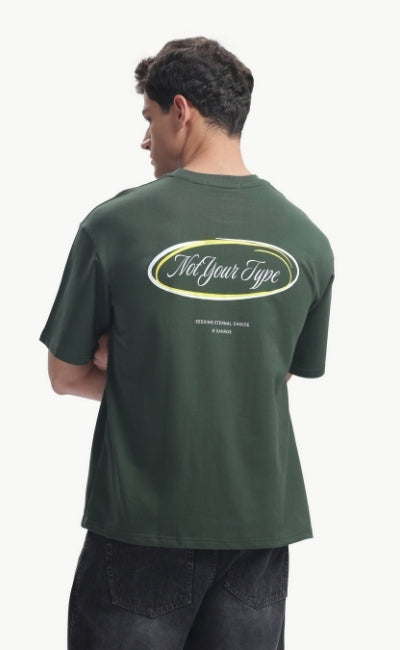




What is Ringspun Cotton?
What is Ringspun Cotton? Why Premium T-Shirts Feel Softer
Table of Contents
- What is Ringspun Cotton?
- How Ringspun Cotton is Made
- Why It Feels Softer
- Benefits of Ringspun Cotton
- Ringspun vs Regular Cotton
- Is Ringspun Cotton Worth It?
- Frequently Asked Questions
- Recommended Products
- Related Articles
- Conclusion
Introduction
When shopping for premium T-shirts, you've likely come across the term ringspun cotton. Many clothing brands use it to describe their garments, but few explain what it actually means or why it matters.
Unlike standard cotton yarn, ringspun cotton undergoes a specialised spinning process that twists and refines the cotton fabrics into a smoother, stronger, and finer yarn. This additional refinement contributes to a fabric that feels softer, drapes better, and offers improved durability.
Understanding ringspun cotton helps you recognise why two T-shirts made from 100% cotton can feel completely different even if they have the same GSM.
In this guide, you'll learn how ringspun cotton is made, what makes it different from regular cotton, and why it has become a preferred material for many premium clothing brands.
Quick Answer
Ringspun cotton is cotton that has been continuously twisted and thinned during the spinning process to create a finer, stronger, and smoother yarn. This produces fabric that is generally softer, more durable, and more comfortable than standard cotton, making it a popular choice for premium T-shirts.
The Problem
Many product descriptions advertise ringspun cotton, but they rarely explain what the term actually means.
As a result, shoppers often believe:
- Ringspun cotton is a different type of cotton plant.
- It is simply a marketing term.
- It only affects softness.
- Every cotton T-shirt is made the same way.
These misconceptions make it difficult to understand why premium cotton garments often feel noticeably better than standard alternatives.
The Solution
Once you understand how cotton yarn is spun, you'll see why ringspun cotton has become a benchmark for premium apparel.
In this guide we'll explain:
- How ringspun cotton is manufactured
- Why it feels softer
- How it differs from regular cotton
- Its advantages and limitations
- Whether it's worth paying more for
By the end, you'll know exactly what "ringspun cotton" means when you see it on a product label.
1. What is Ringspun Cotton?
Ringspun cotton refers to the spinning method used to produce the yarn not the type of cotton fabric itself.
After the cotton has been cleaned and prepared, the fabrics are repeatedly twisted and thinned into a fine, continuous yarn.
This process aligns the fabrics more closely together and creates yarn that is:
- Stronger
- Smoother
- Softer
- More uniform
Because the yarn contains fewer loose fabrics, the finished fabric feels more refined and develops a cleaner appearance.
Many premium T-shirts use ringspun cotton because it delivers a balance of comfort, durability, and quality.
2. How is Ringspun Cotton Made?
The production of ringspun cotton begins much like any other cotton fabric.
However, after the fabrics are prepared, they pass through specialised spinning machinery that twists and stretches the yarn continuously.
Manufacturing Process
Raw Cotton
↓
Cleaning
↓
Carding
↓
(Optional Combing)
↓
Ring Spinning
↓
Fine Yarn
↓
Knitting
↓
Finished Fabric
The ring spinning stage is what distinguishes ringspun cotton from standard cotton yarn.
Instead of producing a thicker, less uniform yarn, the process creates a finer structure with improved consistency.
3. Why Does Ringspun Cotton Feel Softer?
The softness of ringspun cotton comes from the way the yarn is formed.
As the fabrics are continuously twisted and refined:
- Loose fabrics become tightly integrated.
- The yarn surface becomes smoother.
- The finished knit develops a more refined texture.
This doesn't mean every ringspun cotton T-shirt is automatically premium. Fabric quality, GSM, knitting technique, and garment construction still influence the final product.
However, when ringspun yarn is combined with high-quality cotton and expert manufacturing, the result is a fabric that feels noticeably softer and more comfortable against the skin.
4. Ringspun Cotton vs Regular Cotton
Although both fabrics begin with natural cotton fabrics, the biggest difference lies in how the yarn is produced.
Standard cotton yarn is spun using a simpler manufacturing process, while ringspun cotton undergoes continuous twisting and thinning to create a finer, smoother yarn.
This results in noticeable differences in comfort, appearance, and durability.
| Feature | Ringspun Cotton | Regular Cotton |
|---|---|---|
| Yarn Structure | Fine and tightly twisted | Standard spun yarn |
| Surface Finish | Smooth | Slightly rougher |
| Softness | Excellent | Good |
| Strength | Higher | Good |
| Premium Feel | Excellent | Good |
| Long-Term Comfort | Excellent | Good |
Both fabrics have their place, but ringspun cotton is commonly selected for premium garments because of its refined finish.
5. Durability Comparison
Softness alone doesn't make a fabric premium. A quality T-shirt should also perform well after months or years of regular wear.
Ringspun Cotton
Because the fabrics are twisted into a finer, stronger yarn, ringspun cotton generally offers:
- Better resistance to everyday wear
- Improved shape retention
- Stronger yarn structure
- Cleaner fabric surface
- Consistent long-term appearance
These characteristics make it well suited for premium everyday essentials.
Regular Cotton
Regular cotton remains durable for many applications, but its yarn structure may not provide the same level of refinement.
Depending on fabric quality and construction, it may:
- Feel slightly less smooth
- Develop a rougher surface over time
- Show wear sooner than premium ringspun cotton
This doesn't mean regular cotton is poor quality it simply reflects a different manufacturing method.
📊 Durability Comparison
| Feature | Ringspun Cotton | Regular Cotton |
| Yarn Strength | ⭐⭐⭐⭐⭐ | ⭐⭐⭐⭐ |
| Shape Retention | ⭐⭐⭐⭐⭐ | ⭐⭐⭐⭐ |
| Surface Smoothness | ⭐⭐⭐⭐⭐ | ⭐⭐⭐ |
| Everyday Durability | ⭐⭐⭐⭐⭐ | ⭐⭐⭐⭐ |
6. Breathability
One common misconception is that ringspun cotton is more breathable simply because it feels softer.
In reality, both ringspun cotton and regular cotton are made from natural cotton fabrics, so they generally offer similar breathability.
The main difference lies in texture rather than airflow.
Ringspun Cotton
Benefits include:
- Soft feel against the skin
- Smooth fabric surface
- Comfortable for extended wear
- Excellent everyday comfort
Regular Cotton
Provides:
- Natural airflow
- Good comfort
- Reliable everyday performance
When comparing breathability, fabric quality and fabric construction often have a greater impact than the spinning method itself.
7. Pilling Resistance
Pilling occurs when loose fabrics work their way to the fabric surface and form small fabric balls after repeated friction.
Because ringspun yarn is tighter and more refined, it generally offers better resistance to surface pilling.
Ringspun Cotton
Advantages include:
- Cleaner appearance over time
- Fewer loose surface fabrics
- Better resistance to pilling
- Longer-lasting premium finish
Regular Cotton
Regular cotton may be slightly more susceptible to pilling depending on:
- Fabric quality
- Yarn construction
- Knitting technique
- Garment care
Regardless of the spinning method, proper washing and storage help preserve fabric quality.
8. Is Ringspun Cotton Worth the Price?
Producing ringspun yarn requires additional manufacturing precision and time.
This contributes to a slightly higher production cost, which is often reflected in the final garment price.
Why Premium Brands Choose Ringspun Cotton
- Softer hand feel
- Smoother appearance
- Better durability
- Higher perceived quality
- Premium drape
- Improved long-term comfort
For shoppers looking for a T-shirt that feels refined and performs well over time, ringspun cotton often provides excellent value.
📊 Quick Comparison
| Feature | Ringspun Cotton | Regular Cotton |
| Softness | ⭐⭐⭐⭐⭐ | ⭐⭐⭐⭐ |
| Smoothness | ⭐⭐⭐⭐⭐ | ⭐⭐⭐ |
| Breathability | ⭐⭐⭐⭐⭐ | ⭐⭐⭐⭐⭐ |
| Durability | ⭐⭐⭐⭐⭐ | ⭐⭐⭐⭐ |
| Pilling Resistance | ⭐⭐⭐⭐⭐ | ⭐⭐⭐⭐ |
| Premium Feel | ⭐⭐⭐⭐⭐ | ⭐⭐⭐ |
Expert Buying Tips
Before buying a ringspun cotton T-shirt, consider the following:
✅ Does the product clearly mention ringspun cotton?
✅ Is it also made from premium combed cotton?
✅ What is the GSM of the fabric?
✅ Are the stitching and collar construction of good quality?
✅ Does the garment match your intended use?
Remember that ringspun cotton alone doesn't guarantee a premium T-shirt. The best garments combine quality fabrics, proper spinning, suitable GSM, excellent construction, and careful finishing.
Key Takeaways
- Ringspun cotton refers to a specialised yarn spinning method rather than a different type of cotton.
- The ring-spinning process produces finer, smoother, and stronger yarn.
- Ringspun cotton is commonly chosen for premium T-shirts because of its soft feel and refined appearance.
- Combining ringspun cotton with premium fabrics, suitable GSM, and quality construction results in a high-quality garment.
- Understanding yarn construction helps you recognise why some T-shirts feel noticeably more comfortable than others.
Conclusion
Ringspun cotton demonstrates that the quality of a T-shirt depends on much more than the fabric label alone. The way cotton fabrics are spun has a direct impact on softness, durability, appearance, and overall comfort.
While regular cotton remains a dependable material for everyday clothing, ringspun cotton provides a smoother texture, stronger yarn, and a more refined finish that many shoppers associate with premium apparel.
When evaluating a T-shirt, don't focus on one feature in isolation. Consider the entire garment from the cotton quality and spinning method to the GSM, stitching, fit, and construction. Together, these elements determine how the T-shirt will look, feel, and perform over time.

Written by Dhruv Bhuva











Leave a comment
This site is protected by hCaptcha and the hCaptcha Privacy Policy and Terms of Service apply.