

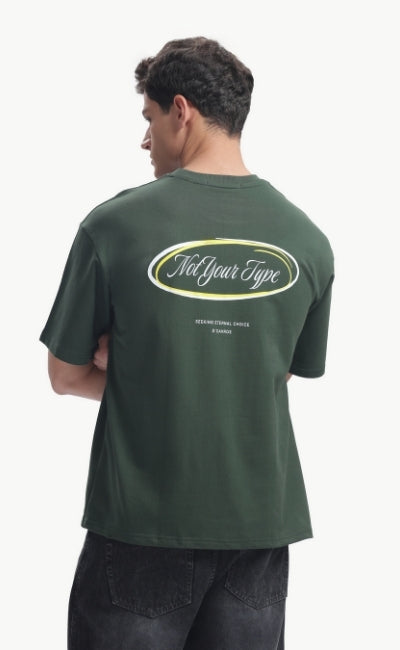




Cotton vs Polyester for T-Shirts
Cotton vs Polyester for T-Shirts: Which Fabric is Better?
Table of Contents
- Cotton vs Polyester at a Glance
- Why This Comparison Matters
- What is Cotton?
- What is Polyester?
- Comfort Comparison
- Breathability Comparison
- Moisture Management
- Durability Comparison
- Frequently Asked Questions
- Recommended Products
- Related Articles
- Conclusion
Introduction
When buying a T-shirt, one of the first decisions you'll face is choosing the fabric. Two of the most common options are cotton and polyester, and each offers distinct characteristics that suit different lifestyles and activities.
Cotton has long been valued for its natural softness, breathability, and everyday comfort, making it a popular choice for casual wear. Polyester, on the other hand, is a synthetic fabric known for its durability, moisture-wicking properties, and resistance to wrinkles.
Many shoppers assume one fabric is always better than the other, but the truth is that each material has strengths and limitations. The right choice depends on how you plan to wear the T-shirt, the climate you live in, and the features you value most.
In this guide, we'll compare cotton and polyester across the factors that matter most so you can make a confident buying decision.
Quick Answer
For everyday casual wear, cotton is widely preferred because of its softness, breathability, and natural feel. Polyester is often a better option for sports, gym sessions, and performance clothing because it dries quickly and manages moisture more effectively. Neither fabric is universally better, the ideal choice depends on your intended use.
The Problem
Many shoppers choose a T-shirt based only on appearance, price, or brand name without considering the fabric.
This often leads to disappointment.
For example:
- A polyester T-shirt bought for everyday summer wear may not provide the natural feel some people expect.
- A cotton T-shirt used for intense workouts may absorb sweat and take longer to dry than performance fabrics.
Without understanding how these materials differ, it's easy to buy clothing that doesn't match your lifestyle.
The Solution
Instead of asking which fabric is "best," ask which fabric is best for your needs.
We'll compare cotton and polyester across:
- Comfort
- Breathability
- Moisture management
- Durability
- Maintenance
- Sustainability
- Everyday performance
By the end of this guide, you'll understand where each fabric performs best and when one may be a better choice than the other.
1. Cotton vs Polyester: A Quick Comparison
Before we explore each characteristic in detail, here's a quick overview.
| Feature | Cotton | Polyester |
|---|---|---|
| Origin | Natural fabric | Synthetic fabric |
| Feel | Soft and natural | Smooth and lightweight |
| Breathability | Excellent | Moderate |
| Moisture Management | Absorbs moisture | Wicks moisture away |
| Durability | Very Good | Excellent |
| Wrinkle Resistance | Moderate | Excellent |
| Drying Speed | Slower | Faster |
| Everyday Comfort | Excellent | Good |
| Sports Performance | Good | Excellent |
This comparison provides a general guide. Fabric quality, garment construction, and manufacturing methods also influence overall performance.
2. What is Cotton?
Cotton is a natural fibre harvested from the cotton plant. For generations, it has been one of the world's most widely used materials for clothing because of its softness, comfort, and versatility.
High-quality cotton is especially valued for everyday apparel because it feels gentle against the skin and allows good airflow.
Some of the key benefits of cotton include:
- Soft natural texture
- Excellent breathability
- Comfortable for extended wear
- Skin-friendly for many people
- Timeless appearance
Not all cotton fabrics are identical. Fabrics length, yarn quality, knitting techniques, and finishing processes all influence how a cotton T-shirt performs.

3. What is Polyester?
Polyester is a synthetic fabric engineered for durability, wrinkle resistance, and performance.
Unlike cotton, polyester absorbs very little moisture. Instead, it helps move perspiration away from the skin, making it a popular choice for activewear and sports apparel.
Common characteristics include:
- Lightweight feel
- Quick drying
- Good wrinkle resistance
- Strong durability
- Shape retention
Modern polyester fabrics are available in many textures and finishes, allowing manufacturers to create garments designed for everything from sportswear to casual fashion.

4. Comfort Comparison
Comfort is often the first thing people notice when wearing a T-shirt. While both cotton and polyester can be comfortable, they deliver very different wearing experiences.
Cotton Comfort
Cotton is known for its soft, natural feel against the skin. Its breathable structure makes it a popular choice for long hours of everyday wear.
Benefits include:
- Soft and smooth texture
- Comfortable throughout the day
- Gentle on the skin
- Natural airflow
- Suitable for casual and lifestyle clothing
For many people, cotton simply feels more natural, especially during everyday activities like work, travel, or relaxing at home.
Polyester Comfort
Modern polyester has improved significantly over the years.
Performance polyester fabrics are designed to feel lightweight while efficiently managing moisture.
Advantages include:
- Lightweight feel
- Quick drying
- Doesn't become heavy with sweat
- Ideal for active movement
- Comfortable during exercise
However, some people may find polyester less soft than premium cotton, particularly during extended everyday wear.
5. Breathability Comparison
Breathability refers to how easily air can circulate through the fabric, helping regulate body temperature.
Cotton
Cotton naturally allows air to pass through the fibres, making it highly breathable.
Advantages include:
- Excellent airflow
- Comfortable in warm weather
- Helps reduce heat build-up
- Natural ventilation
This is one reason cotton remains a favourite for daily casual wear.
Polyester
Polyester is less breathable than natural cotton.
However, many performance garments compensate by using specialised knitting patterns and ventilation zones that improve airflow.
While polyester performs well during physical activity, many people still prefer cotton for everyday comfort in hot climates.
📊 Breathability Comparison
| Feature | Cotton | Polyester |
|---|---|---|
| Natural Airflow | ⭐⭐⭐⭐⭐ | ⭐⭐⭐ |
| Hot Weather Comfort | ⭐⭐⭐⭐⭐ | ⭐⭐⭐⭐ |
| Everyday Breathability | ⭐⭐⭐⭐⭐ | ⭐⭐⭐ |
| Workout Performance | ⭐⭐⭐ |
⭐⭐⭐⭐⭐ |
6. Moisture Management
This is where polyester has a clear advantage.
Cotton
Cotton absorbs moisture into its fabric.
Benefits:
- Comfortable for light perspiration
- Soft feel
Limitations:
- Takes longer to dry
- Can feel heavier after absorbing sweat
Polyester
Polyester absorbs very little moisture.
Instead, it moves sweat away from the skin toward the fabric's outer surface where it evaporates more quickly.
Benefits include:
- Faster drying
- Less water absorption
- Better suited for sports
- Maintains a lighter feel during exercise
7. Durability Comparison
Both fabrics can be durable when properly manufactured, but they perform differently over time.
Cotton
Quality cotton offers:
- Long-lasting comfort
- Excellent softness
- Strong everyday durability
- Timeless appearance
Its lifespan depends heavily on fabric quality, stitching, and garment care.
Polyester
Polyester is naturally resistant to:
- Stretching
- Shrinking
- Wrinkling
- Abrasion
Because of these characteristics, polyester is often chosen for sportswear and garments designed for frequent washing.
📊 Durability Comparison
| Feature | Cotton | Polyester |
| Abrasion Resistance | ⭐⭐⭐⭐ | ⭐⭐⭐⭐⭐ |
| Shape Retention | ⭐⭐⭐⭐ | ⭐⭐⭐⭐⭐ |
| Wrinkle Resistance | ⭐⭐⭐ | ⭐⭐⭐⭐⭐ |
| Colour Retention | ⭐⭐⭐⭐ | ⭐⭐⭐⭐⭐ |
Although polyester generally wins in durability tests, many shoppers still choose premium cotton because they value its comfort and natural feel.
8. Maintenance & Care
Proper care helps extend the life of both cotton and polyester garments.
Cotton Care
- Wash according to the care label.
- Turn garments inside out before washing.
- Avoid excessive heat when drying.
- Fold or hang neatly after drying.
Polyester Care
- Wash in cool or warm water according to the care label.
- Avoid high heat when ironing, as polyester can be heat-sensitive.
- Wash with similar colours.
- Air drying is often recommended to help preserve the fabric.
Following the manufacturer's care instructions is the best way to maintain the appearance and performance of either fabric.
9. Environmental Considerations
Many shoppers today also consider the environmental impact of clothing.
Cotton
Cotton is a natural fabric, but its environmental footprint depends on how it is grown, processed, and transported.
Polyester
Polyester is a synthetic fabric typically derived from petroleum-based materials. It is durable and long-lasting, and some garments are made using recycled polyester. Environmental impacts vary depending on manufacturing methods and end-of-life disposal.
When evaluating sustainability, it's important to consider the entire lifecycle of a garment rather than the fabric alone.
Expert Buying Tips
Before choosing between cotton and polyester, ask yourself:
✅ Will I wear this mainly for everyday use or sports?
✅ Do I prioritise natural comfort or quick drying?
✅ What climate do I live in?
✅ Does the garment use quality materials and construction?
✅ Will this become part of my everyday wardrobe?
For most everyday wardrobes, premium cotton remains a popular choice because of its comfort, breathability, and timeless appeal. Polyester continues to be an excellent option for athletic and performance-focused clothing.
Key Takeaways
- Cotton is valued for its natural softness, breathability, and everyday comfort.
- Polyester excels in moisture management, durability, and quick drying.
- Neither fabric is universally better each serves different purposes.
- Fabric quality, construction, and garment design matter just as much as the fabric itself.
- Choose the fabric that aligns with your lifestyle, climate, and intended use.
Conclusion
The comparison between cotton and polyester isn't about declaring one fabric the winner. It's about understanding the strengths of each material and selecting the one that best suits your lifestyle.
If your priority is everyday comfort, breathability, and a natural feel, premium cotton remains one of the best choices for casual T-shirts. If you need performance-focused clothing for sports or activities where moisture management is important, polyester offers clear advantages.
The most important lesson is to evaluate the garment as a whole. Fabric quality, construction, fit, stitching, and finishing all contribute to how a T-shirt performs over time.
By understanding these differences, you'll be able to make smarter purchasing decisions and build a wardrobe that delivers comfort, durability, and long-term value.

Written by Dhruv Bhuva





Leave a comment
This site is protected by hCaptcha and the hCaptcha Privacy Policy and Terms of Service apply.